Category Archives: Landscape photography

Shadow on the Sun: Crescents on Earth

It happened once more, as predicted by Pythagoras and Galileo’s Music of the Spheres. Our Moon passed in front of our Sun, just far enough this time that it didn’t quite hide it all the way to its borders. The Sun’s Corona was not revealed but created what has been called a ring of fire.

I have had the pleasure to watch several solar eclipses in my life, including total ones and believe me: nothing matches a total solar eclipse! Next best to me are annular eclipses like the one we just saw across the American continent. I got to see one as a child and I remember very well watching it with a solar filter on my telescope.

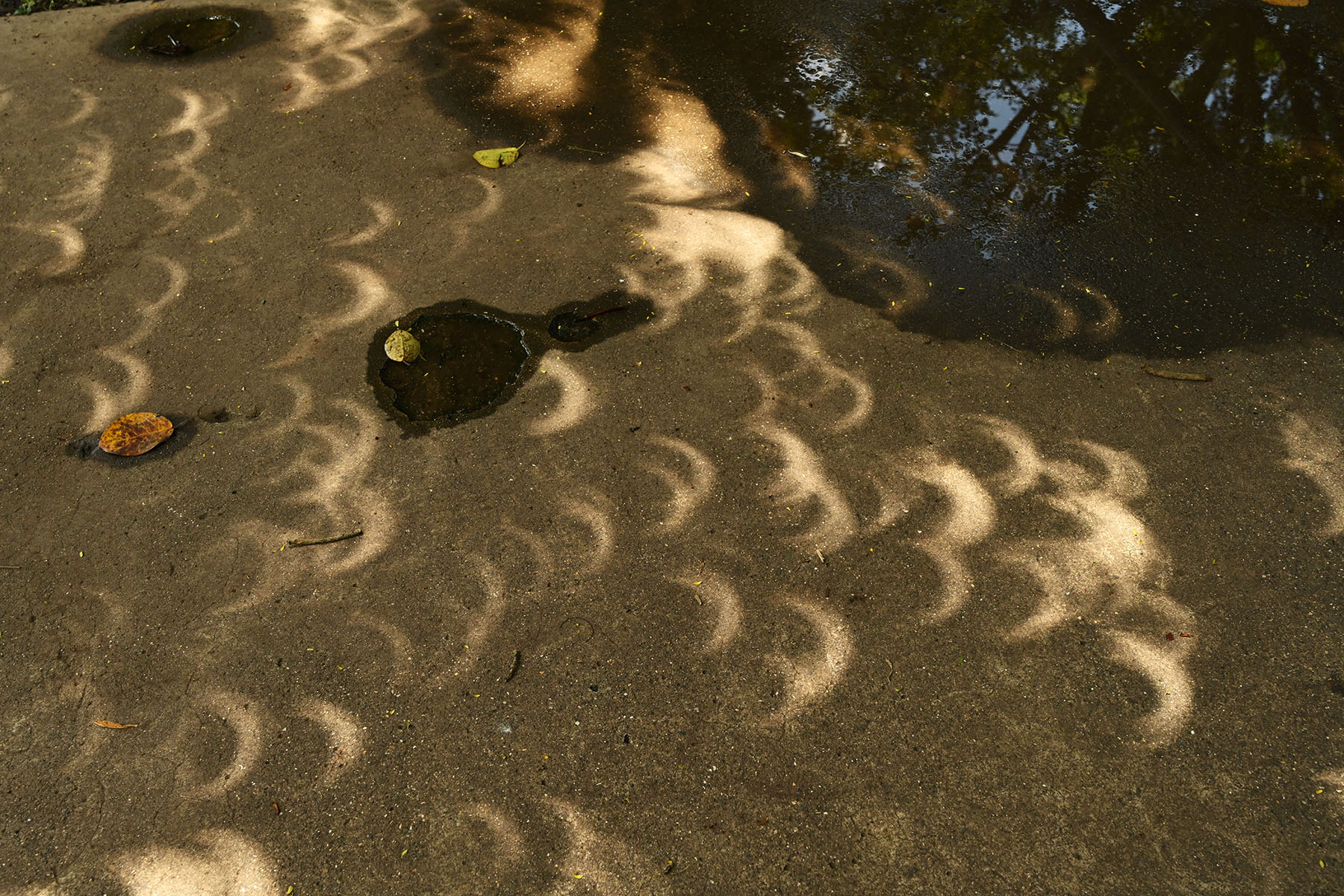
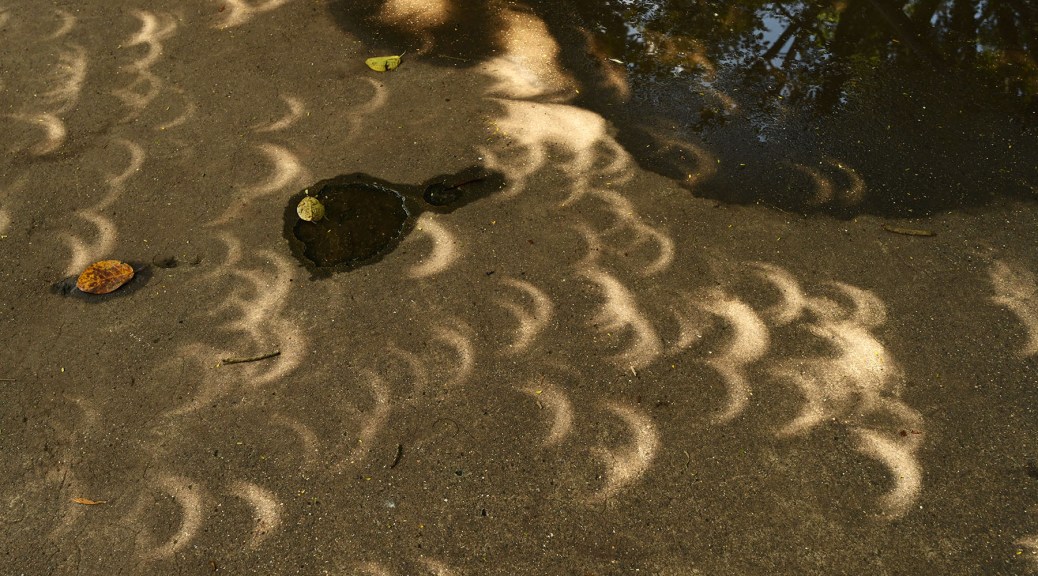
Costa Rica, where I live, was not quite in the best place to see the ring. We just got a more darkened than usual partial eclipse. What to do? I decided to photograph the light spots formed by tree leaves that are actually a pinhole-camera like projection of the Sun. Instead of being round they look like crescent moons during a partial solar eclipse.

Yes, I also got a photo of the Sun when clouds were moving in and I was able to make a photo without filters.

Have you seen the little crescents on the ground before?

A view of a partial solar eclipse and trees.
Partial solar eclipse in Costa Rica, near noon, just as clouds moved in.
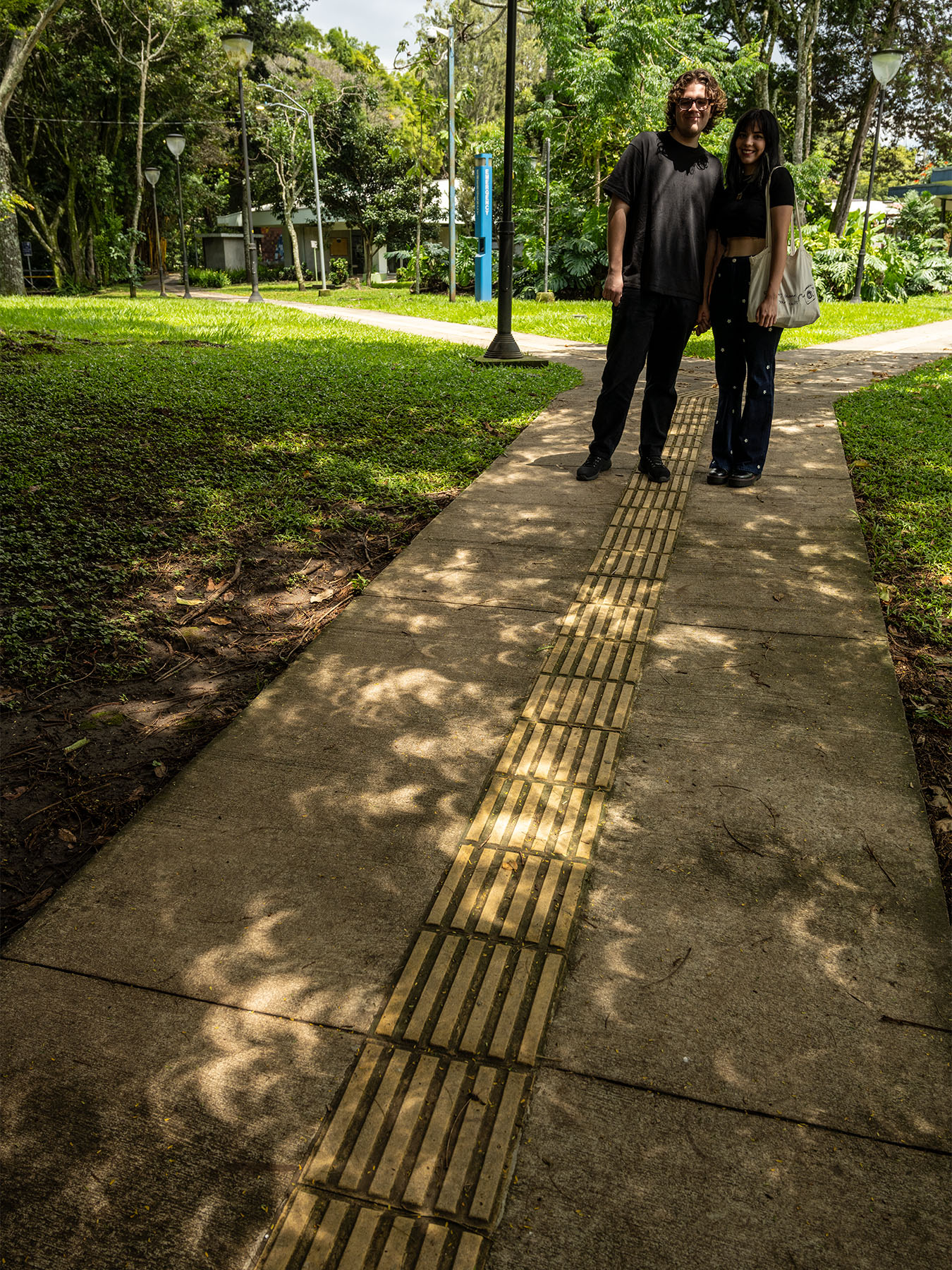
A couple that was watching the crescent-like images on the sidewalk.
A couple that was watching the crescent-like solar eclipse projected images on the sidewalk.
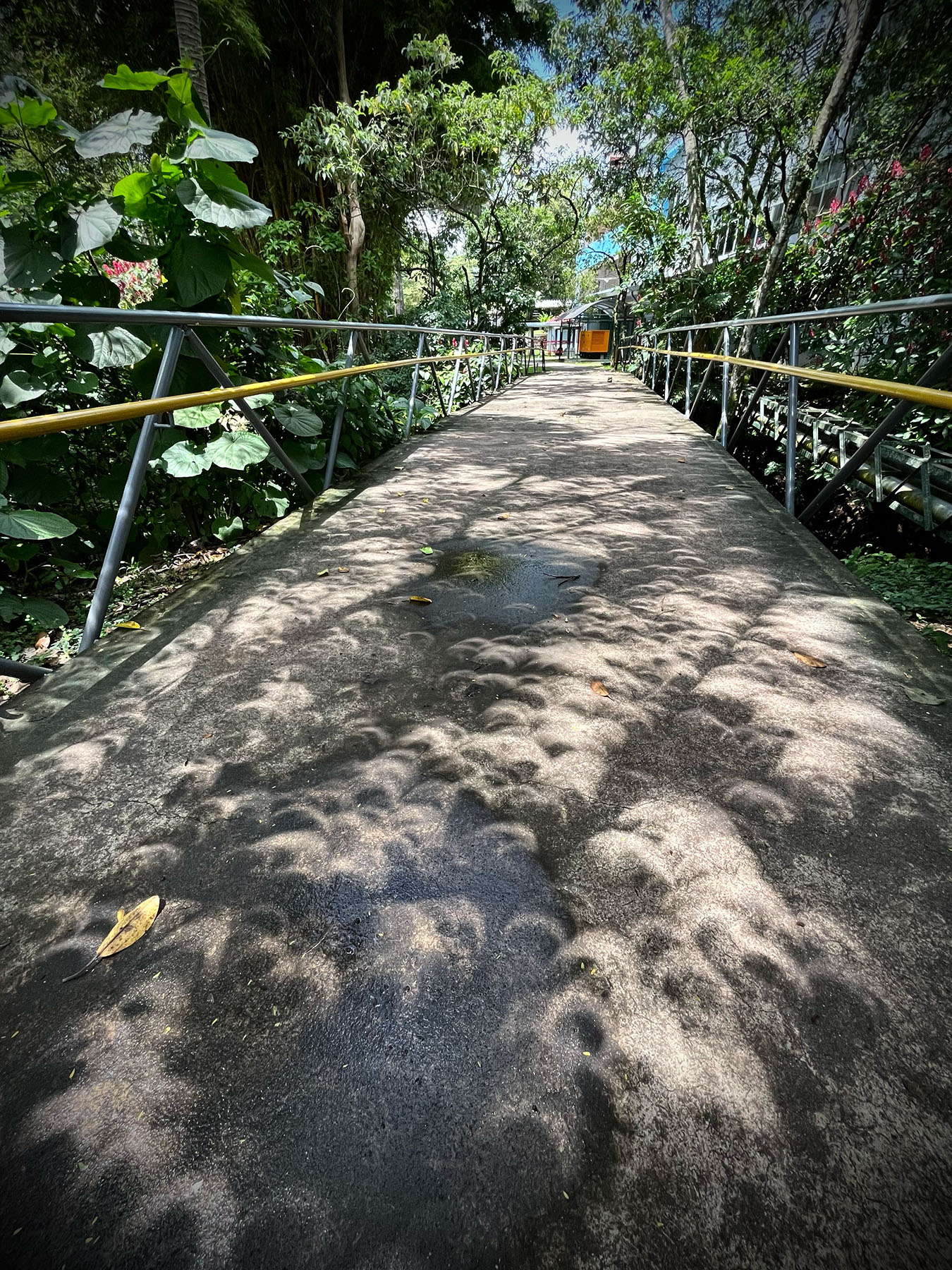
Crescent-like solar-eclipse images formed by the trees. Photo by Eduardo Libby
Crescent-like solar-eclipse images formed by the trees on a pedestrian bridge at the University of Costa Rica
Solar eclipse images formed by diffraction by the openings among the leaves of the trees. Photo by Eduardo Libby
A detail of the solar eclipse images formed by diffraction from the openings amongst the leaves of the trees.

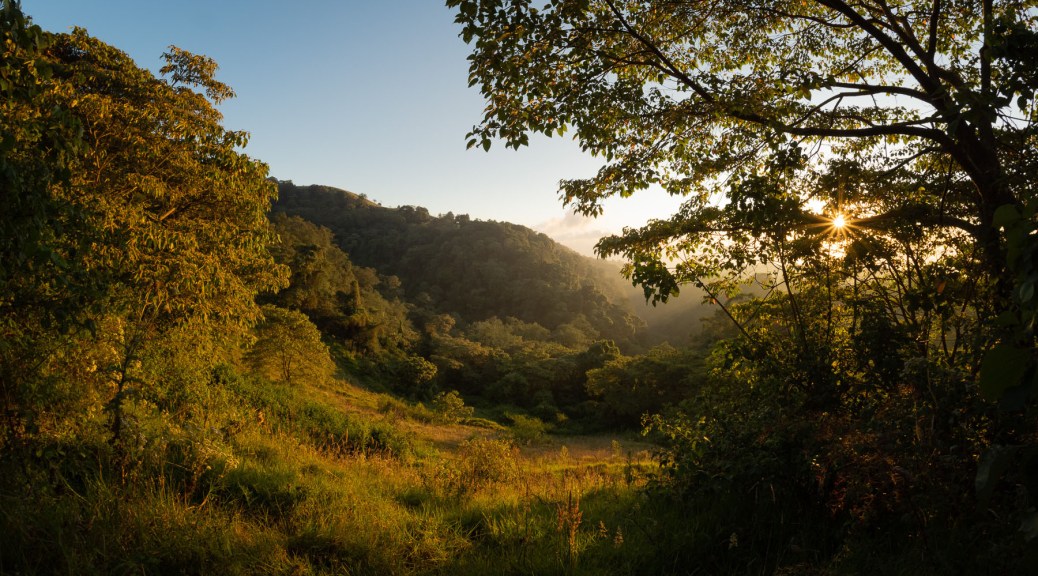
Sunset pictures are OK, right?

Some landscape photography books and websites claim that sunset photos are amateurish and should be avoided by true Landscape Photographers as they are plain boring.

Really?

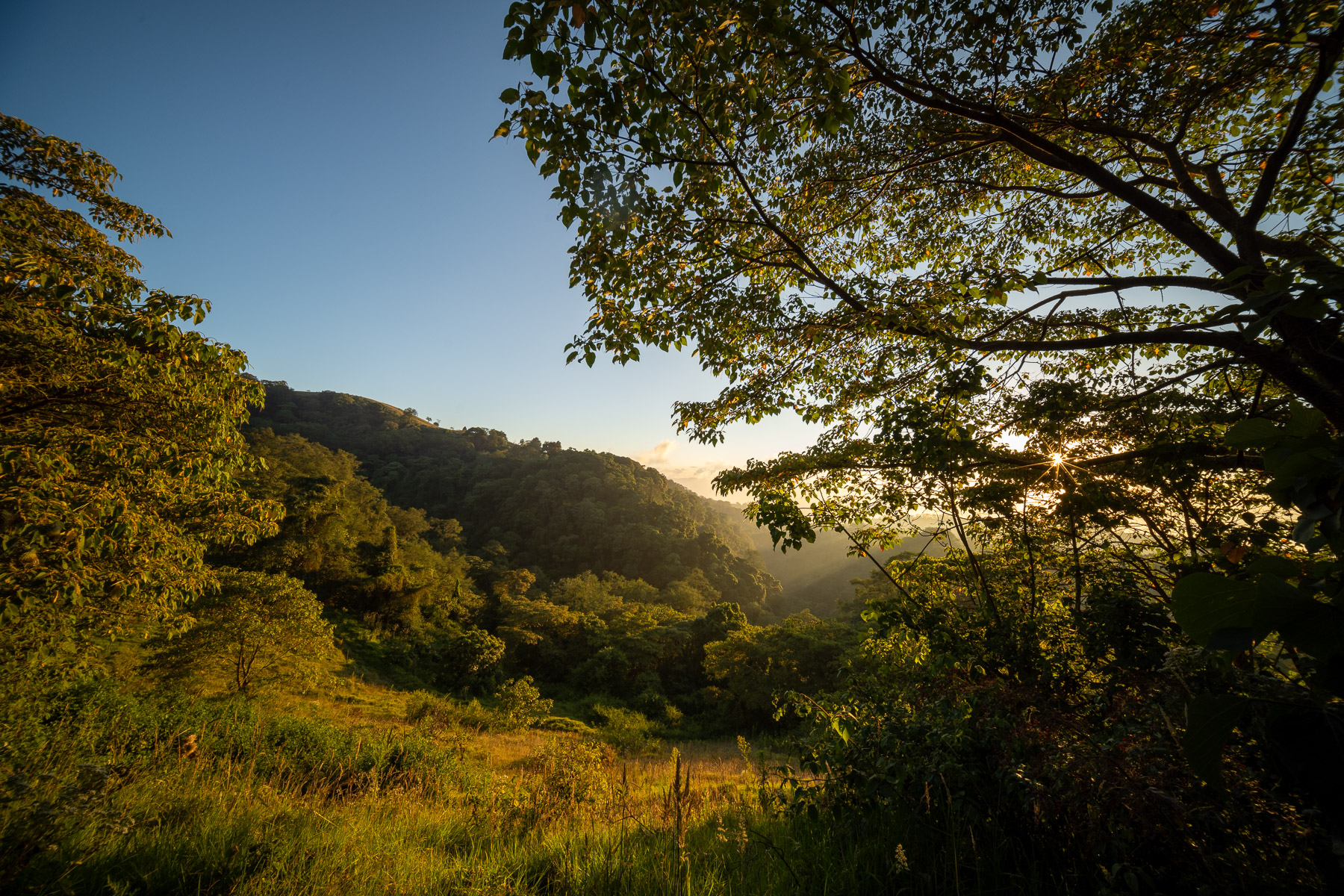
One of the most inspiring views in our planet is an spectacular sunset, or a sunrise if we are early risers. It is no surprise that we all aim up our cameras to remember and to share the view. I’ve seen simulations of Martian sunsets and they look sad and nearly colorless. I will not be a colonist there, trust me. In the Moon, with no atmosphere, they are just black!

So here I am, sharing yesterday’s sunset in my corner of our beautiful planet. I hope you will find it as pretty as it looked to me!

Ultrawide Rectilinear or Fisheye lenses: to defish or not to defish

An ultrawide lens (anything below 24 mm in 35 mm equivalent format) can provide a sweeping view of an open landscape, but I also find it important for crowded forest and tree covered environments.

The widest rectilinear lens I own is an 11 mm lens by Irix and it is an excellent lens, but these pictures are made with other lenses. They are landscapes I made while testing an ultra wide 11 mm lens by Venus Optics on my Z7 alongside a 12 mm Samyang fisheye lens. I no longer own either lens but the photos I made that afternoon are good representatives of what can be done with these optics.

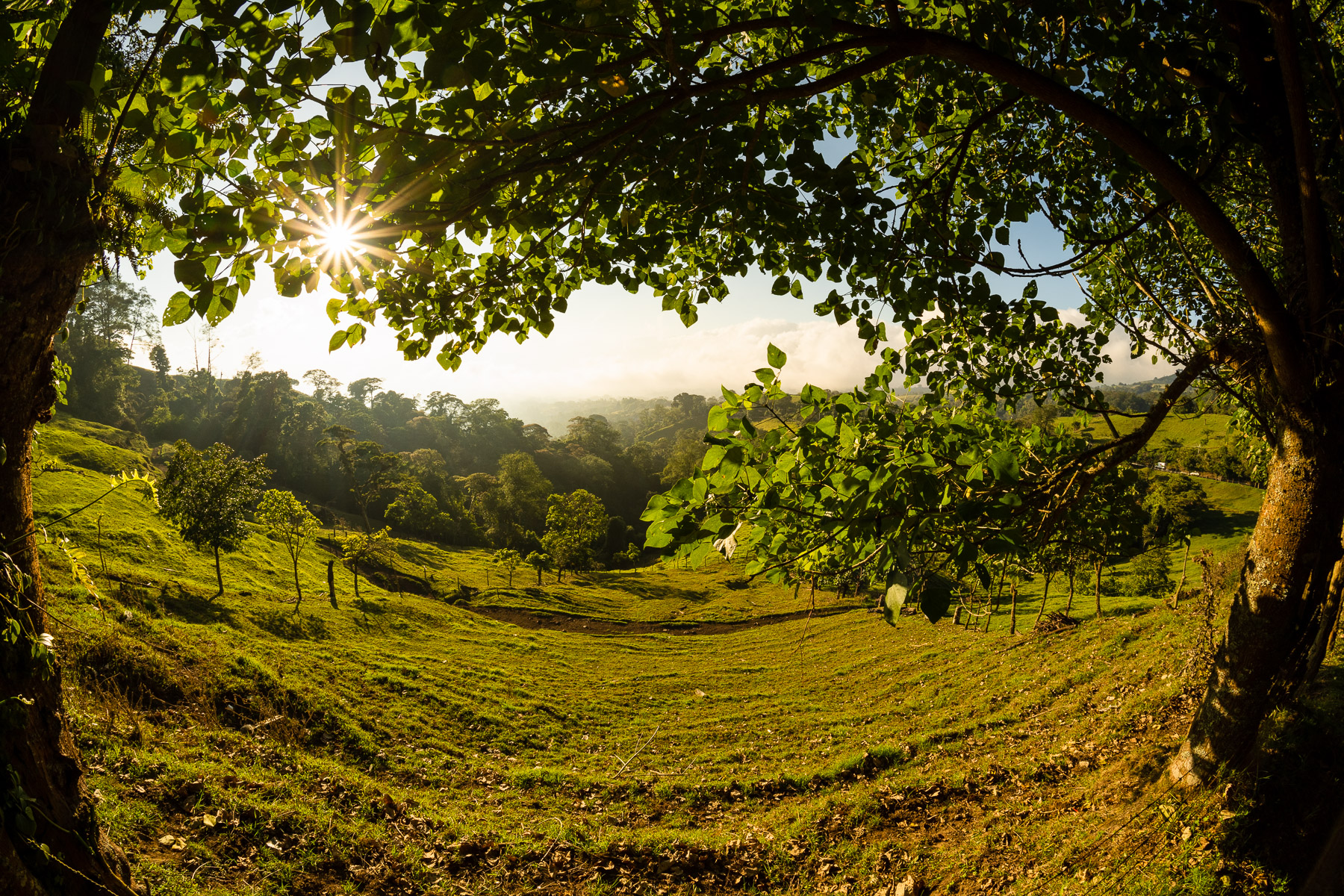
Pastures photo taken with a fisheye lens. Photo by Eduardo Libby
A fisheye lens allowed me to frame the pastures with he branches literally above my head. By keeping the horizon near the center of the frame, it remains straight on a fisheye lens image.

One thing I sometimes dislike about ultra wide rectilinear lenses is that elements in the corners of the image can look too stretched, like sucked into the frame. Because of this, I sometimes actually prefer using a fisheye lens: when used carefully, one can can hide the strong deformation we associate with their extreme projection. By keeping the horizon near the center of the frame, it remains straight on a fisheye lens image. In other cases, the image can be reprojected (defished as some people call it) to avoid the curved corners.

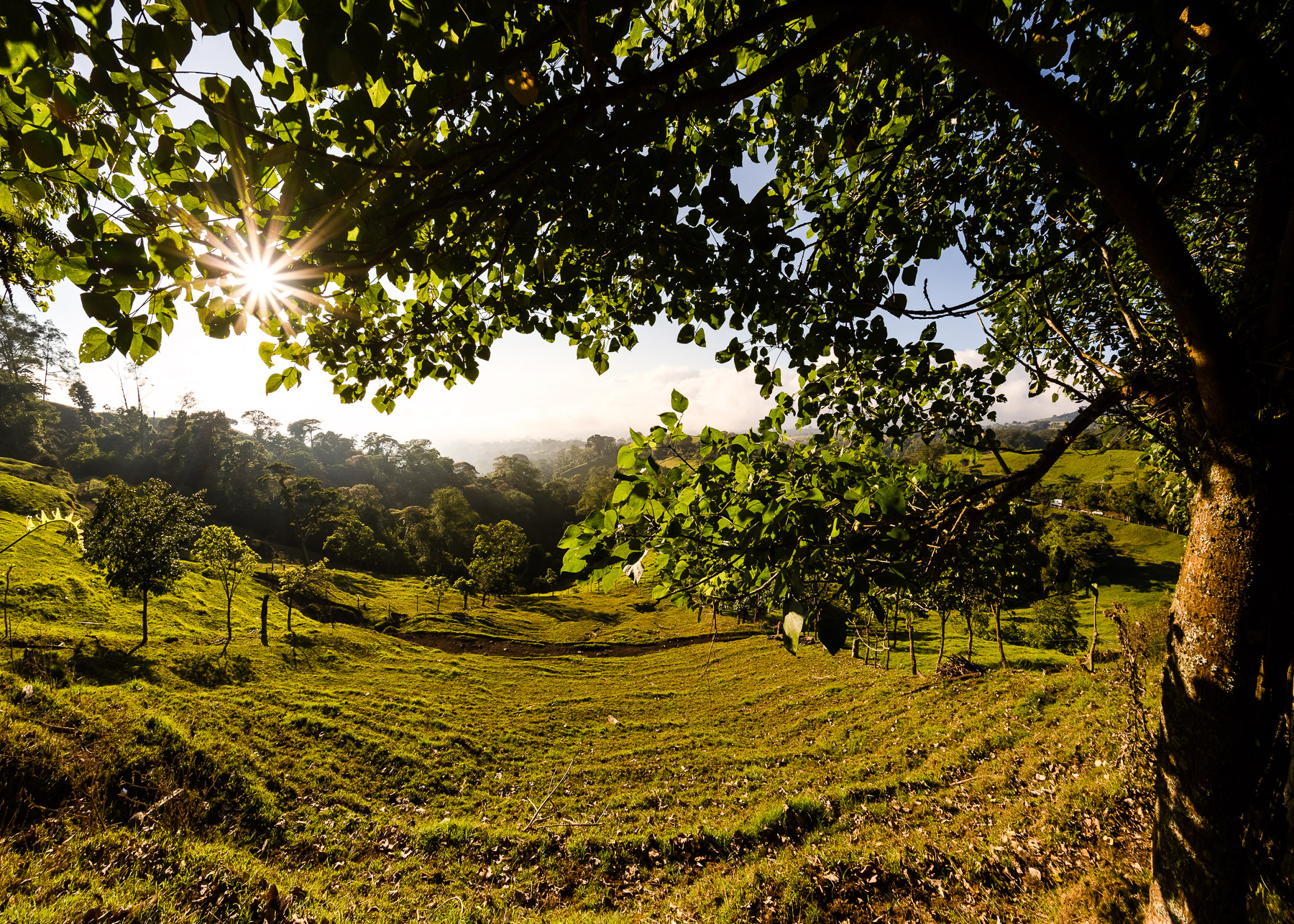
RReprojected fisheye photo of pastures. Photo by Eduardo Libby
Removing just enough of the fisheye distortion can provide a convincing ultra wide image without the light falloff that plagues rectilinear ultra wide angle lenses in the corners.
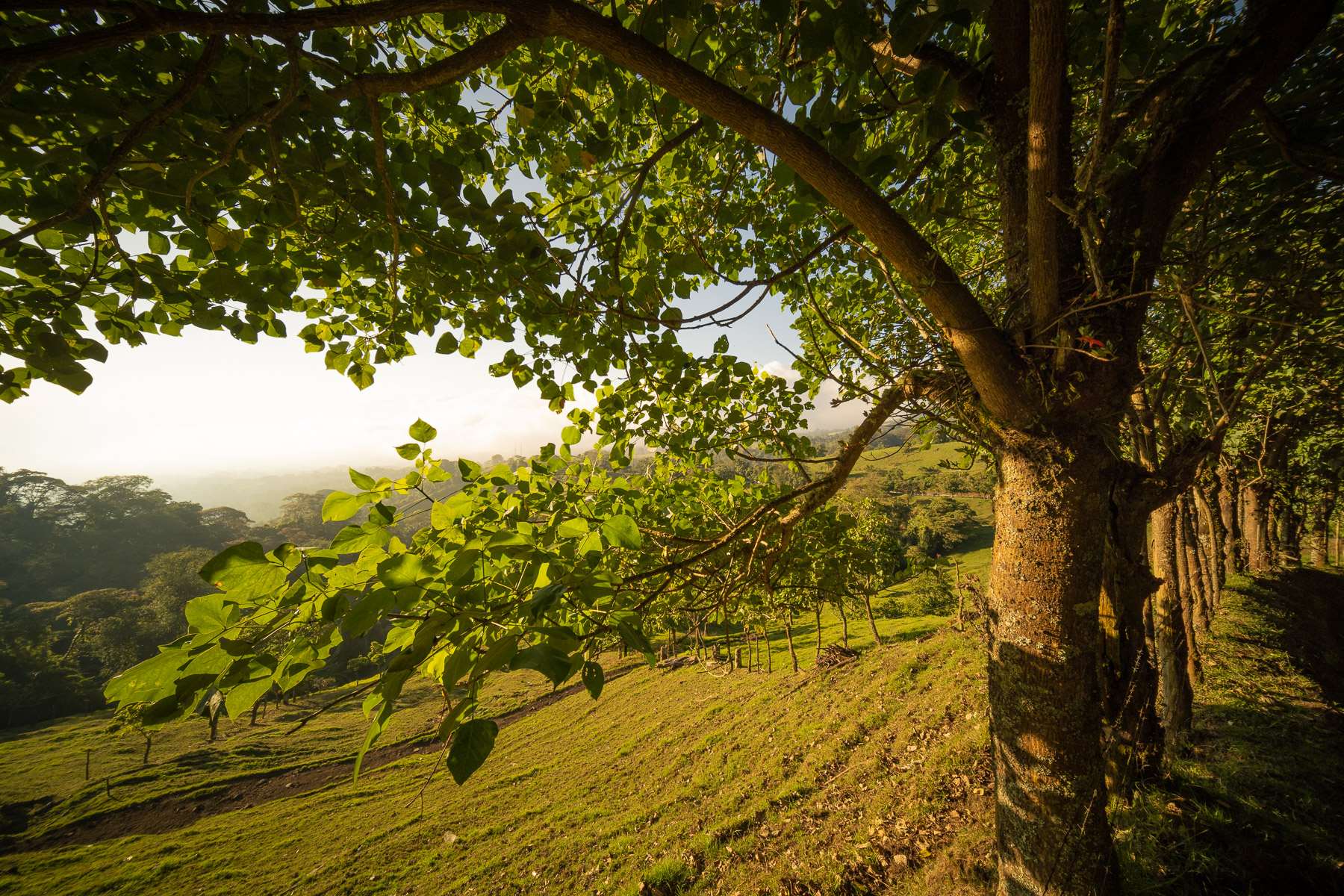
Pastures photo with an ultrawide angle lens. Photo by Eduardo Libby
A photo using the rectilinear Laowa 11 mm lens works fine and takes advantage of the stretching of the lower tree branch to give depth to the composition.

You can be the judge now and decide if this approach works as I really wanted to include nearby elements from a restricted point of view: I was literally shooting from a barbed-wire fence in all the photos I show here.

Have you tried using fisheye lenses for landscape photos?

Comparison of images made using the 11 mm rectilinear lens and a 12 mm fisheye. Photos by Eduardo Libby
Here are two images made from about the same viewpoint using the 11 mm rectilinear lens and the 12 mm fisheye. They are clearly not identical but both are very usable.
Do you like one better than the other?

Slow shutter speed (and life!) on a tropical beach

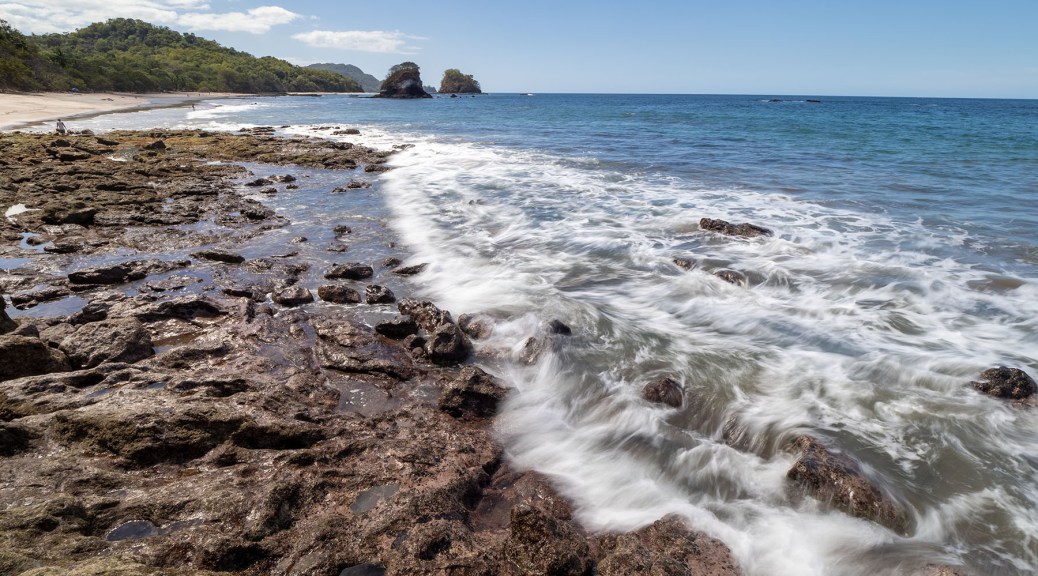
After seeing, and taking, many snapshots of the water on a sunny, tropical beach it is not difficult to notice that the water always looks frozen and the movement and intensity of the moment is missing.

Continue reading Slow shutter speed (and life!) on a tropical beach

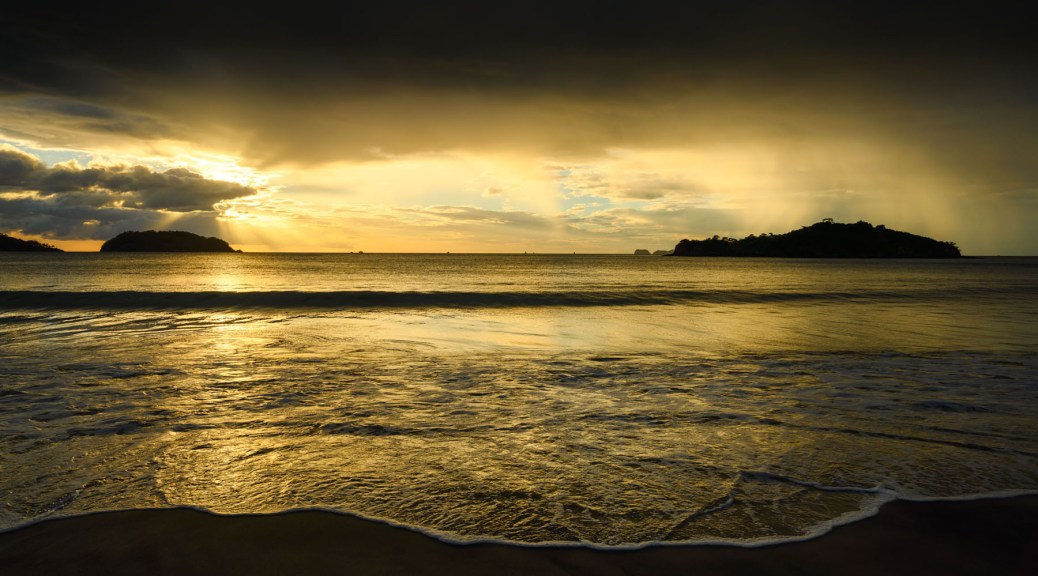
Nice beach, Nice sunset, Nice Black and White

One of the prettiest beaches on Costa Rica’s west coast is on the inside of a circular bay that gives protection to the swimmers from the open ocean waves and is named Carrillo Beach.

Continue reading Nice beach, Nice sunset, Nice Black and White

How to use a new camera?

When somebody asks me how to use a new camera my advice is always: set it in one of the auto modes and shoot away for a few days. Let it show you what it can do. Enjoy it.

I had to take my own advice some weeks ago. Continue reading How to use a new camera?