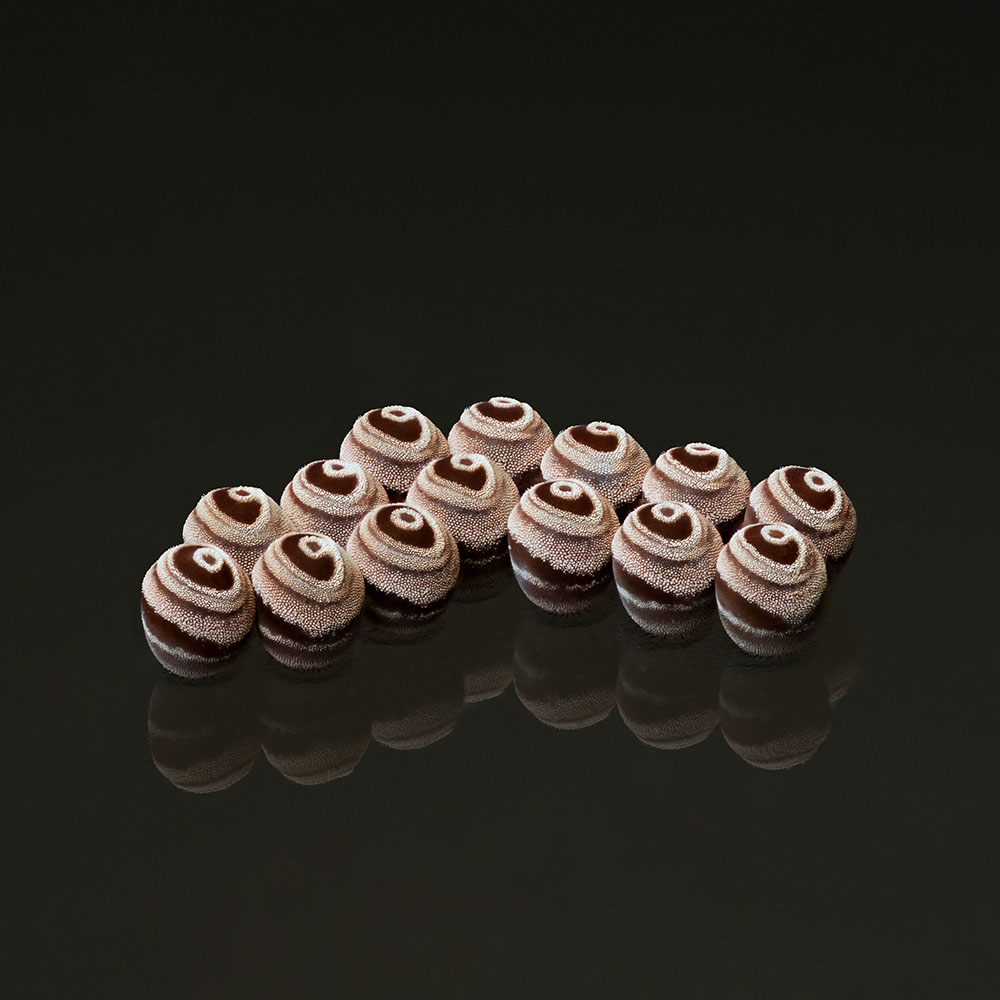
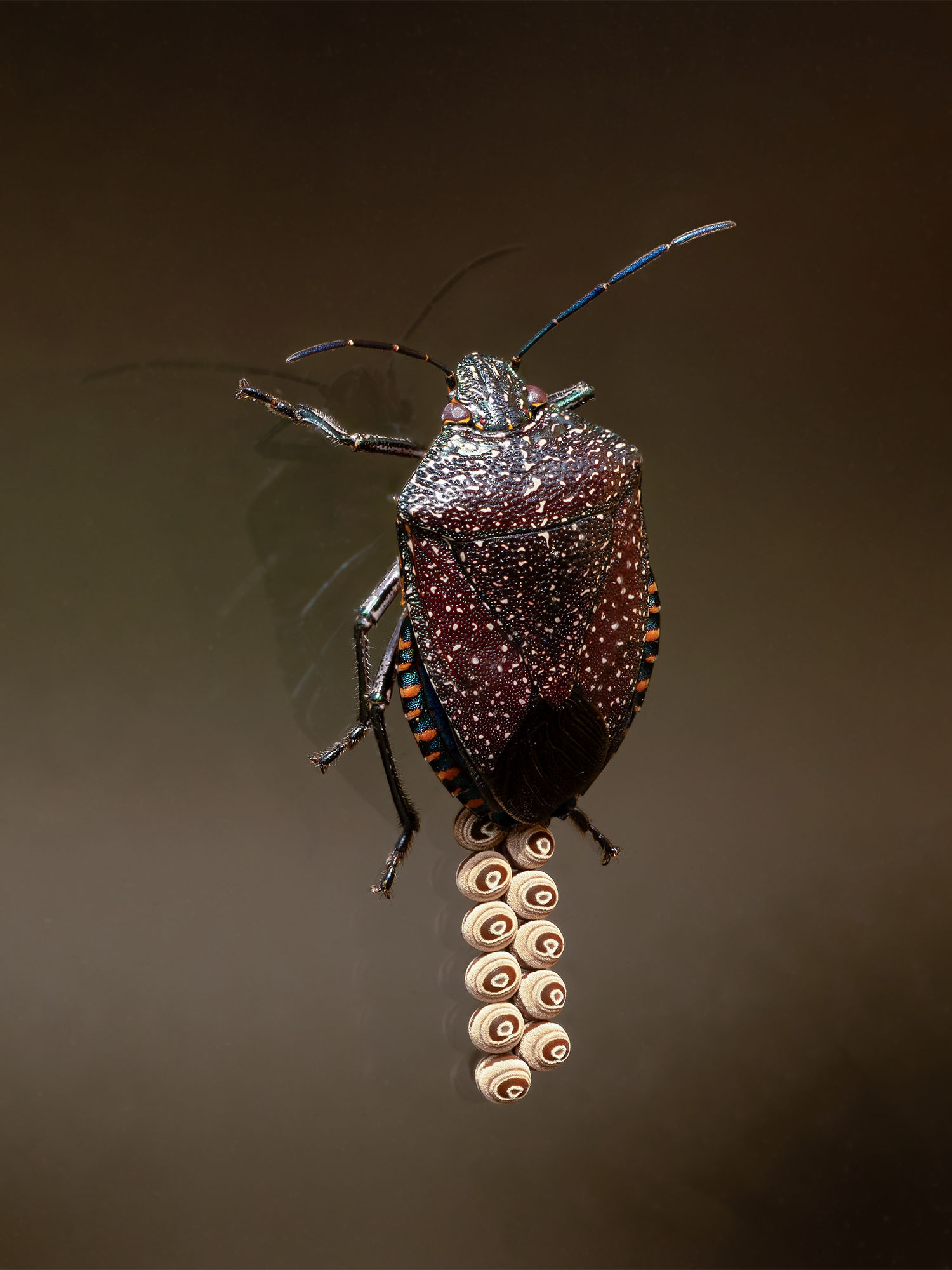
Eggs of Pellaea stictica, a stinkbug, look just like chocolate candies or something just as delicious.
It is likely the stink bug Pellaea stictica in the Pentatomidae family which is found in temperate regions of North America, South America and the Caribbean. The species was first described in Costa Rica and I just read they are considered edible in Mexico…
The eggs resemble some delicious dessert or some fancy chocolate candies… very appropriate for today, Valentine’s day.
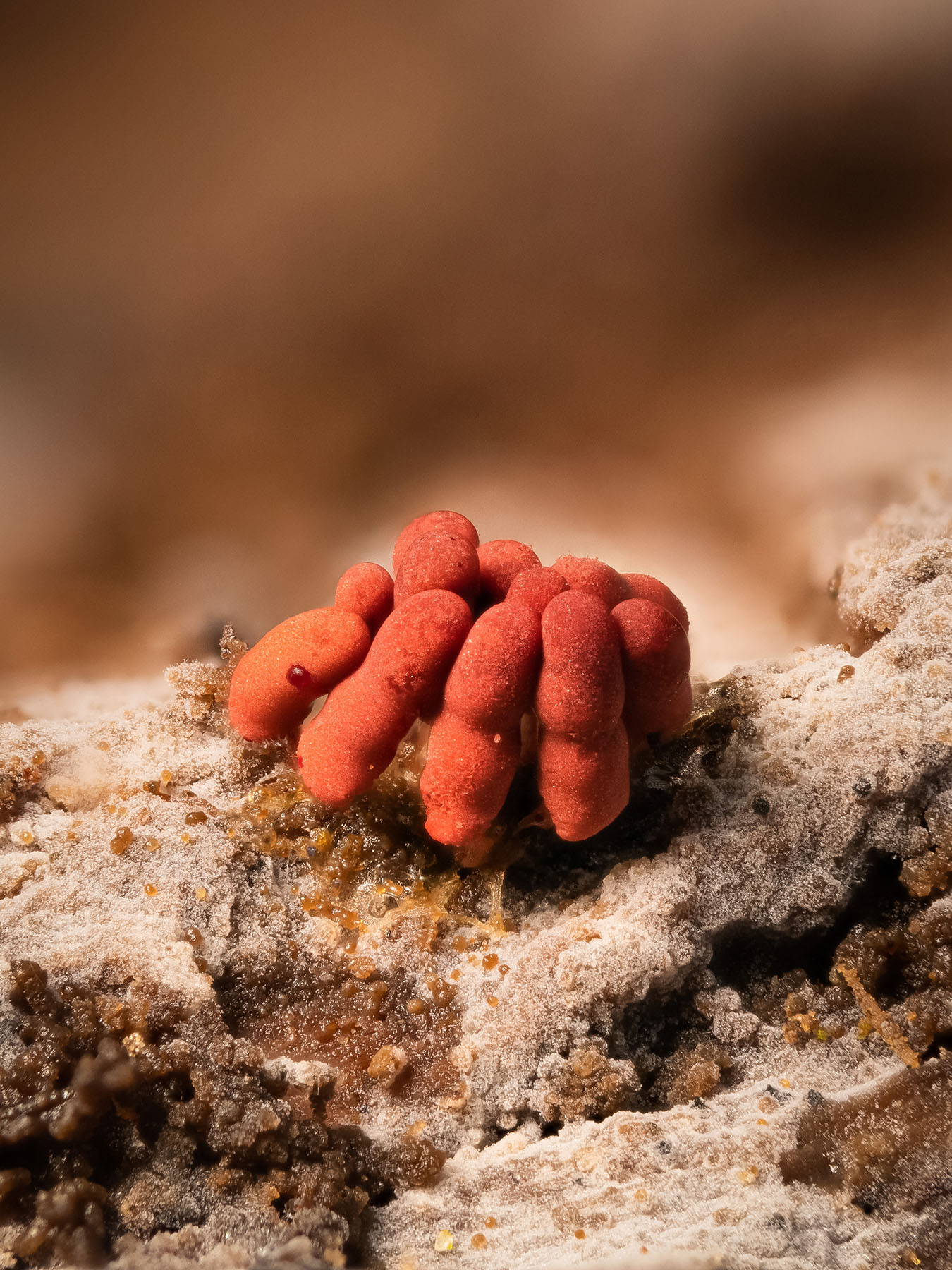
I still don’t know what bug left the red eggs in the cover image… maybe some of you know?
The stink bug Pellaea stictica laying eggs on a glass window.
I joke about me being too tall to see slime molds down there on the forest floor, but occasionally I get to spot them. Then comes the process of setting up my camera and tripod in the most awkward position possible and holding my breath for long exposures… I guess if macro photographers ever do yoga or free-diving they will be a force to reckon with in these disciplines.
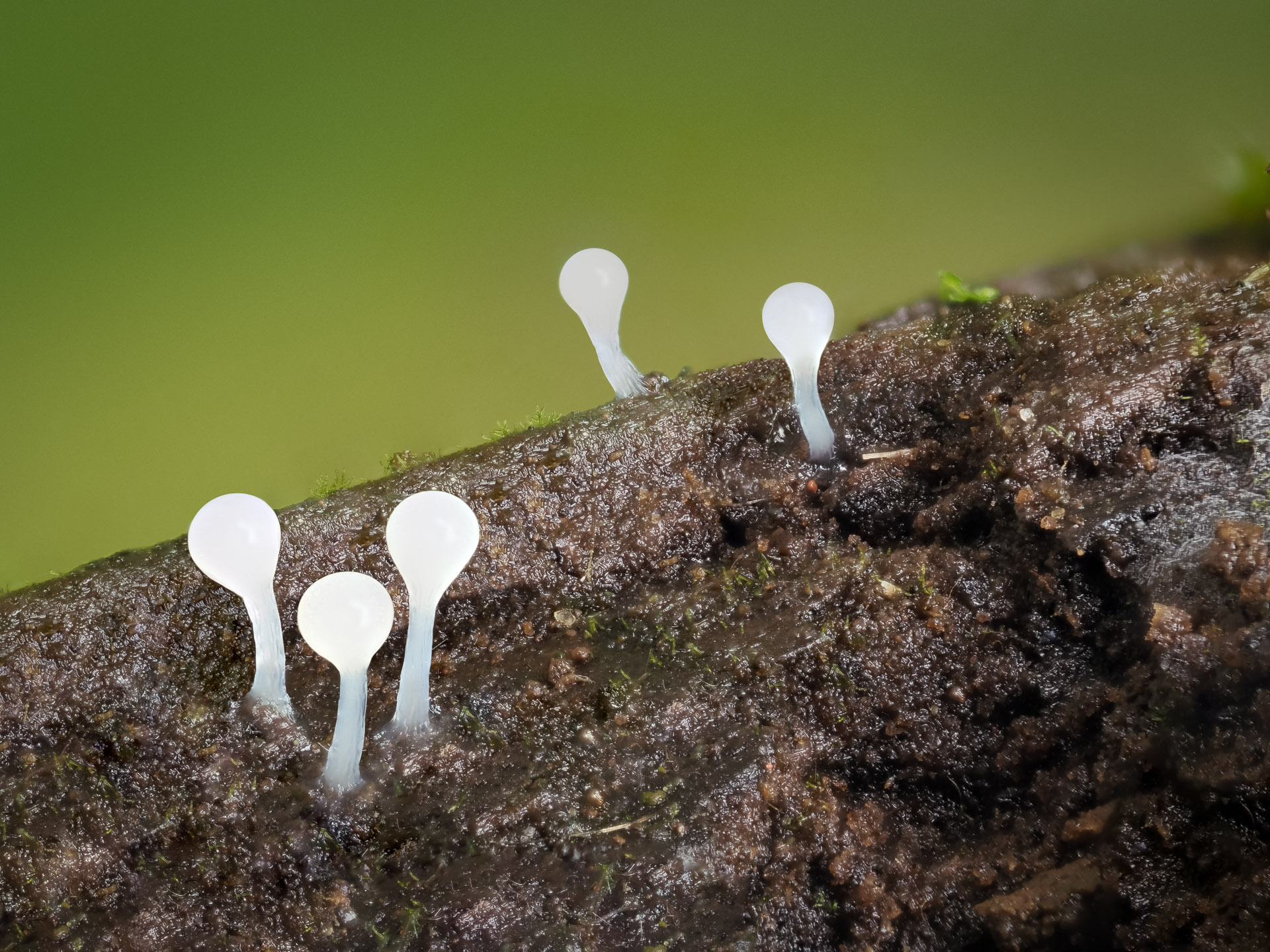
These Myxos (I think they are Trichia or Hemitrichia) remind me of light bulbs. The fruiting bodies become reddish later.
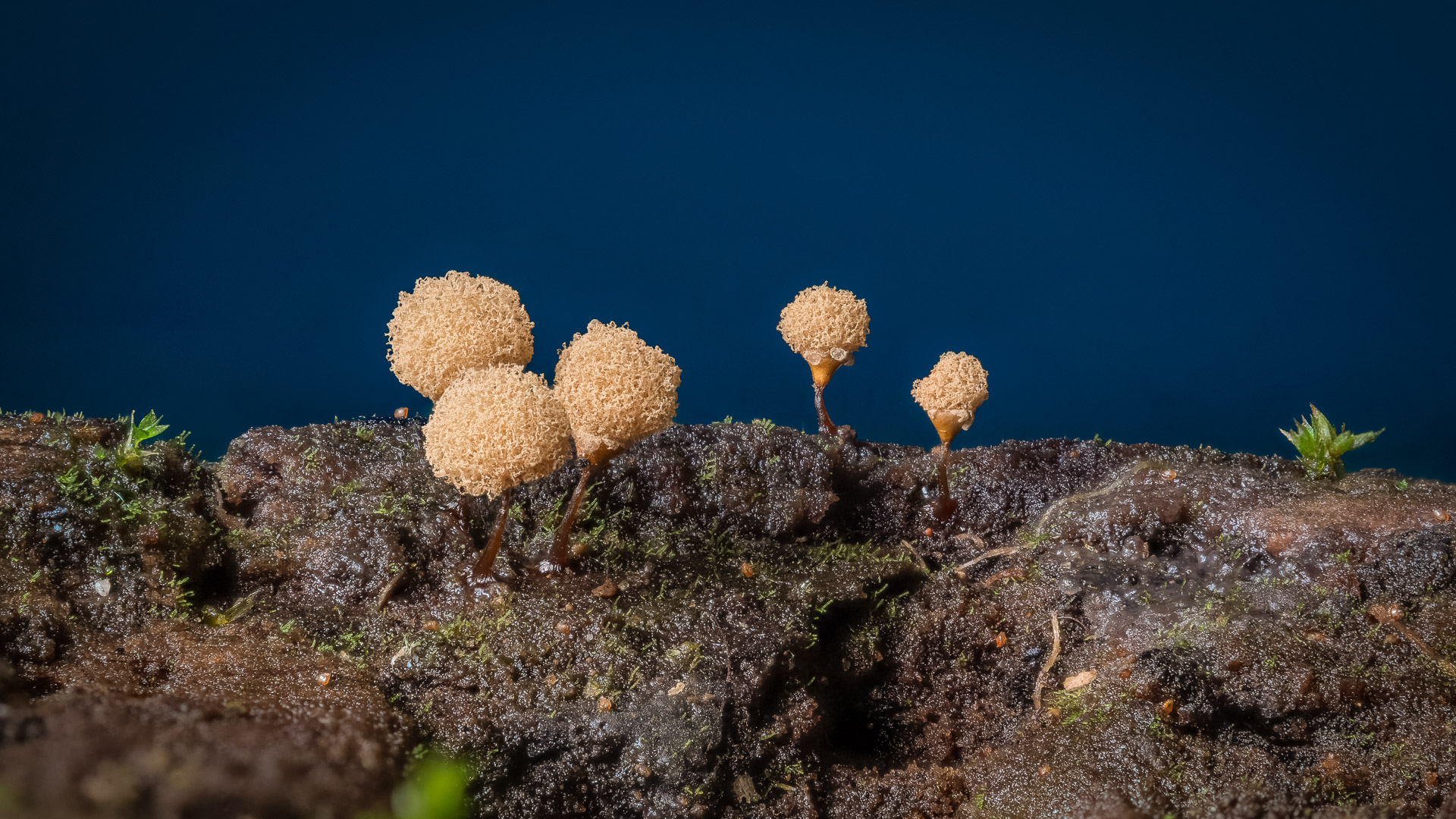
There are three phases in the life cycle of slime molds that are very photogenic: The unopened fruiting bodies or sporangia, the equivalent of mushrooms; the already opened sporangia that held the spores; and the viscous liquid phase that crawls about, looking for nutrients. I think the latter one looks better in stop motion videos though.
These are the same white fruiting bodies after they opened.
These things are about a millimeter tall and require stacking macro images to get a good looking image. Luckily, my OM System OM-1 camera can do this automatically as long as I don’t need to do stack more than 15 photos. If more images are needed the camera will take as many as I want but then I have to stack them later using Helicon Focus. Either way it saves you from having to slowly slide the camera in a focusing rail to get each image for the stack.
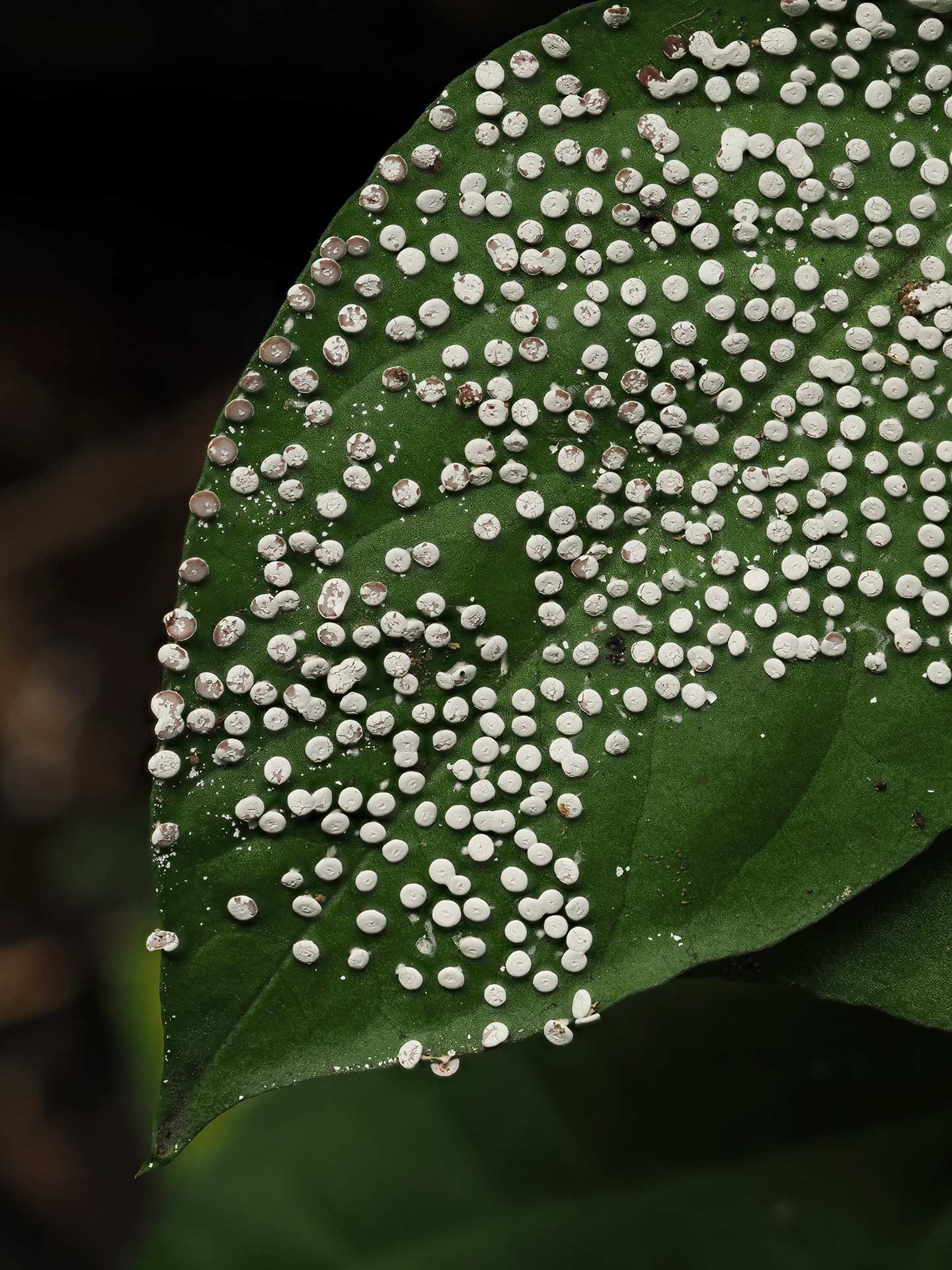
The white Didymium growing on a leaf was an in-camera stack. You get a ready to use stacked jpeg and also saves the individual raw files in case you need them. The other ones are stacked using Helicon.
Finding a nice subject among these tiny organisms brings about a sense of discovery that certainly makes up for any technical hardships!
Didymium growing on a leaf. An in-camera stack ready to use.
The first time I saw photos of Slime Mold fruiting bodies, the equivalent of fungal caps, I couldn’t help thinking about life on another planet. The fact that these organisms actually turn into a slowly creeping slime when they are not in the reproductive stage sure helps my mental image of something alien.
These sporangia, a more technical name for the reproductive structure, are barely over one millimeter in length (one mm is about 1/24th of an inch). I am not very good at finding them, but there is a large and enthusiastic group of hobbyists and scientists that are constantly publishing photos of Myxomycetes, the technical name for the Slime Molds… they are good at finding these little marvels!
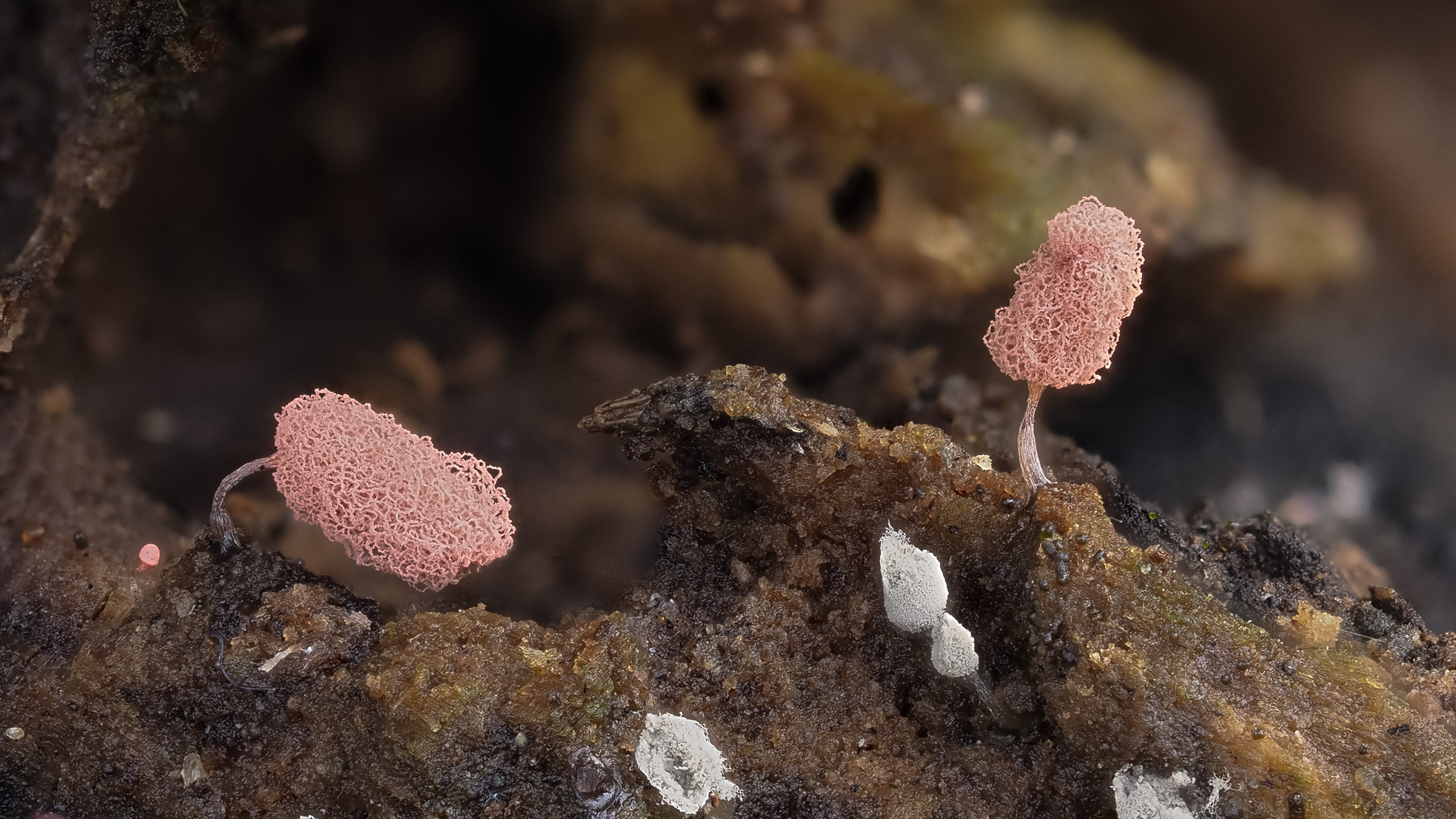
Arcyria incarnata sporangia: they remind me of a group of friends gossiping.
These are among the first ones I have photographed. As you know, I am more of a landscape/wildlife photographer but… Hey, one must adapt to pandemic life! I was lucky to spot them growing on some rotting wood logs on the back of my garden.
Arcyria incarnata sporangia or spore-bearing structures after opening.
My friend Federico Valverde was nice enough to identify them for me. He is a retired biologist that has found new fire for his scientific brain finding Slime Molds and photographing them. These beautiful Slime Mold species are named Arcyria incarnata.
Visiting a new area in Costa Rica nearly always means a change in the avian species around. Granted, some birds seem to pop up anywhere but there are always nice surprises.
The place we were staying was on the slope of a hill, with a long balcony overlooking the coast. A few feet below the balcony the Stachytarpheta shrubs were busy with hummingbirds flying non stop.
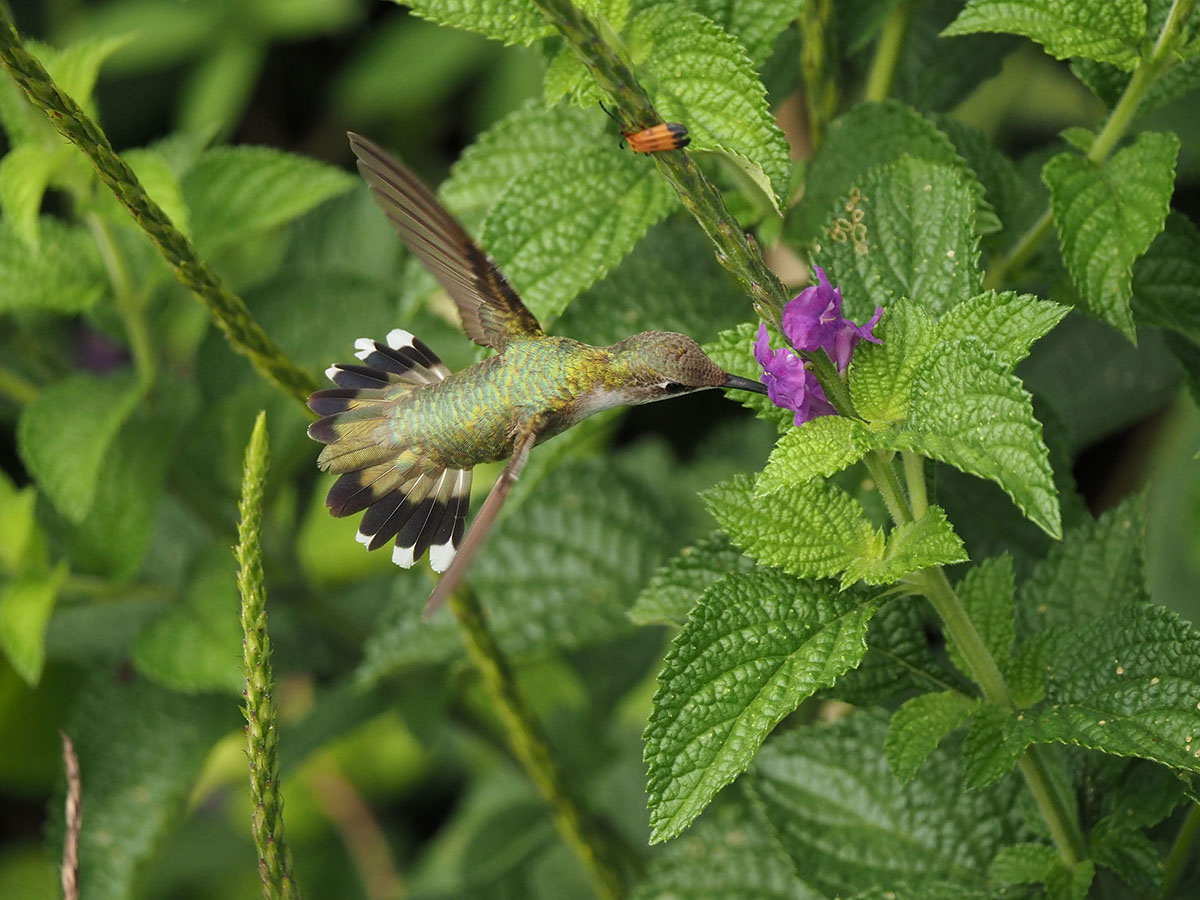
Female Ruby-throated Hummingbird feeding on Stachytarpheta nectar.
The high viewpoint revealed the beautiful design on the tails of female Ruby-throated Hummingbirds. But I was not too successful in getting eye-level shots of the males… well, I already had those anyway from their seasonal visit to my garden’s Stachytarpheta.
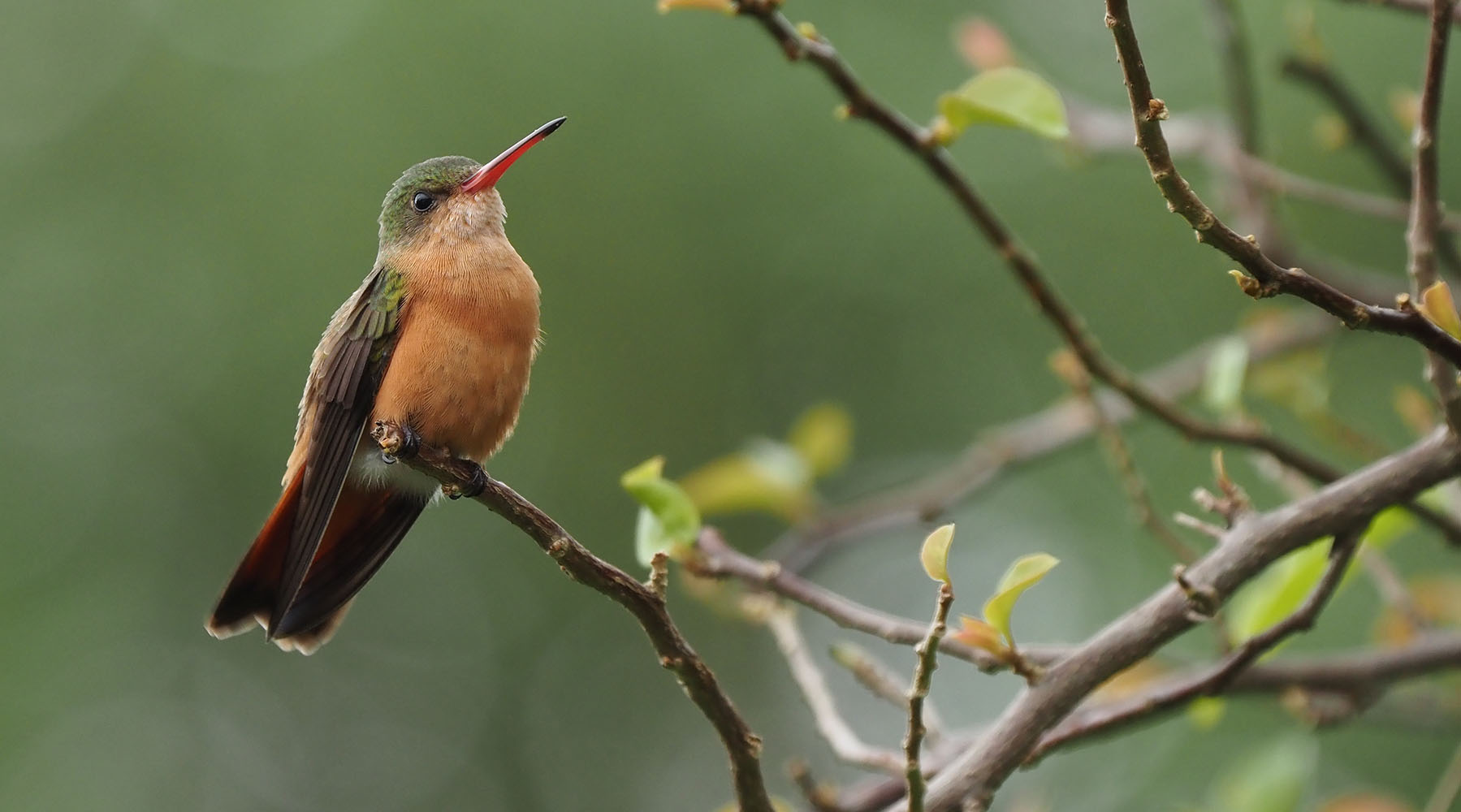
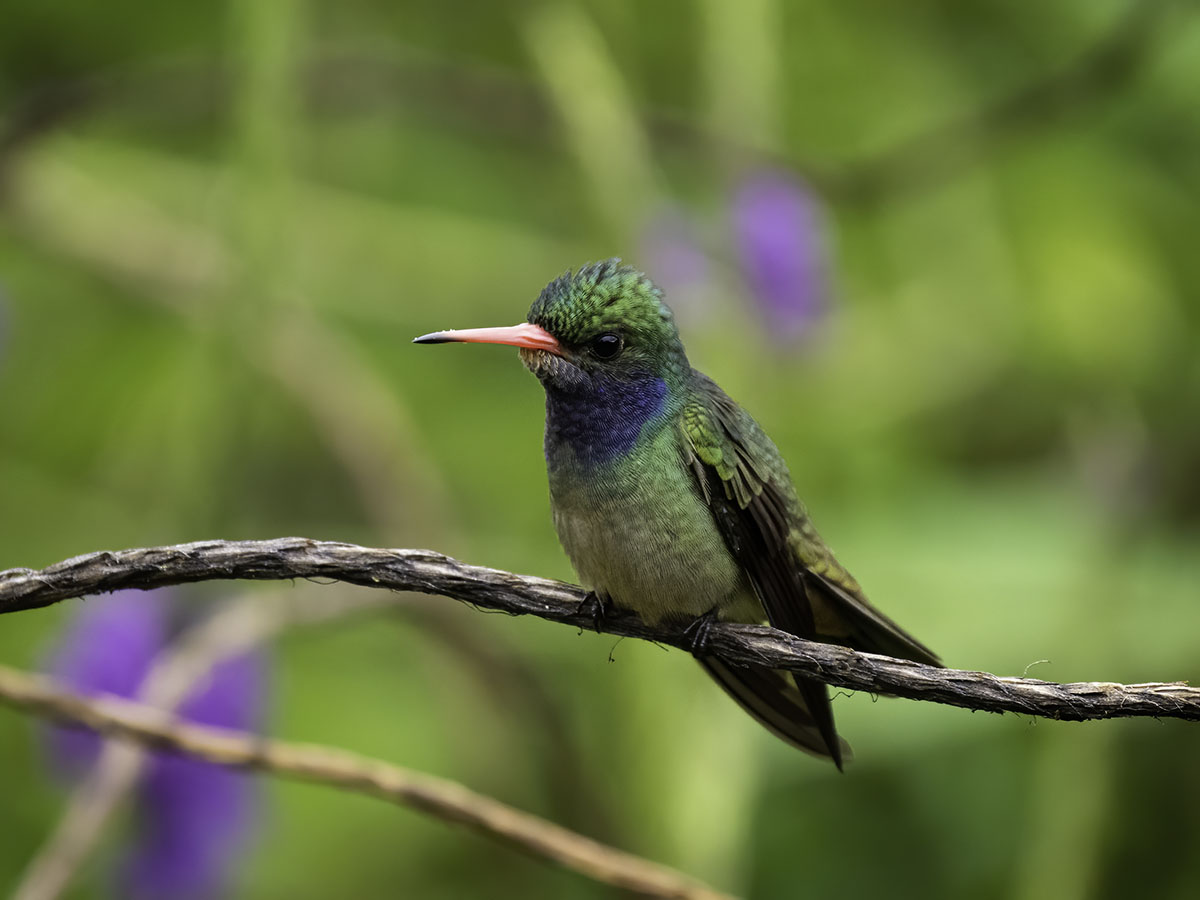
Cinnamon HummingbirdBlue-throated Goldentail perched on a dry Stachytarpheta inflorescence.
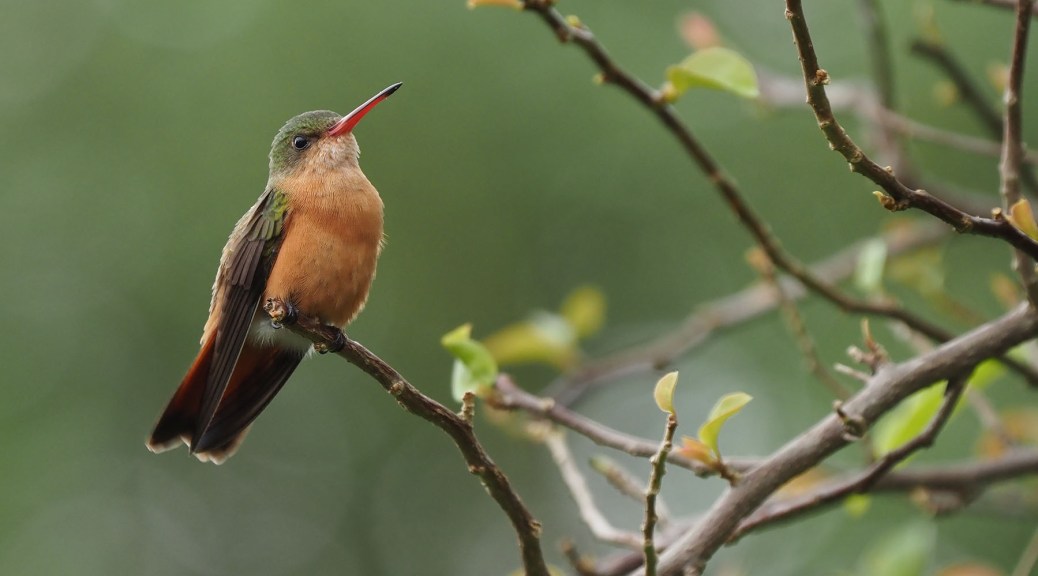
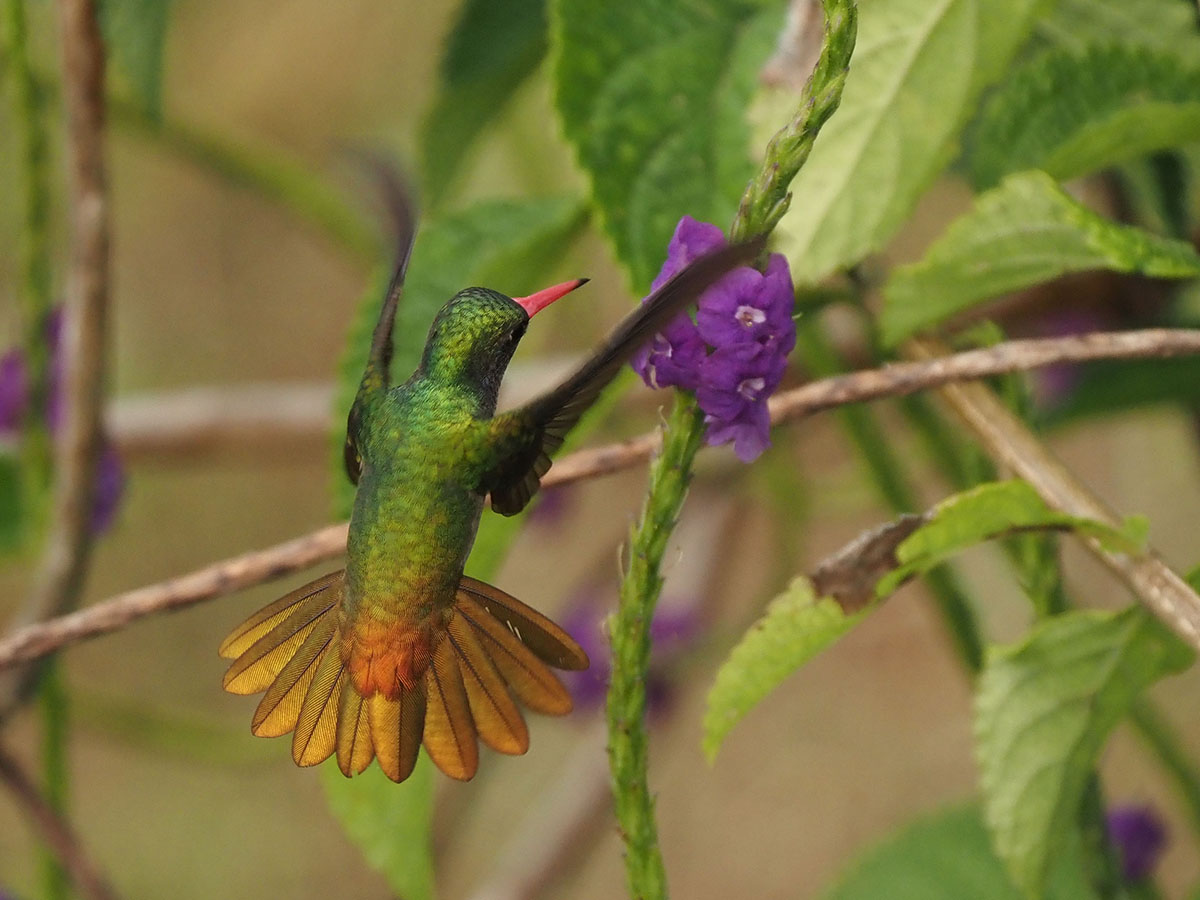
Soon I noticed two species I had not photographed before: the Cinnamon Hummingbird and the Blue-throated Goldentail. The first, kindly chose a well-located perch and posed for me. The Goldentail I shot perched on a dry inflorescence… enough to show its blue throat, but it was again the elevated viewpoint from the balcony that provided a nice picture of both its thick red bill and its magnificent Golden Tail.
Every year, when migratory Vireos are getting ready to fly back to their breeding habitats in North America, they make sure to feed on the seeds of Bocconia frutescens. When the fruits open, the black seeds, covered partially with a red aril, are suspended on the middle of a ring… ready to eat.
Even though not all digital cameras offer automated focus-stacking of focus-bracketed exposures, the Panasonic and Olympus micro four thirds cameras have been doing it for several years so far. I wanted to compare it with computer focus stacking and, with my garden orchids blooming, I finally did the test.
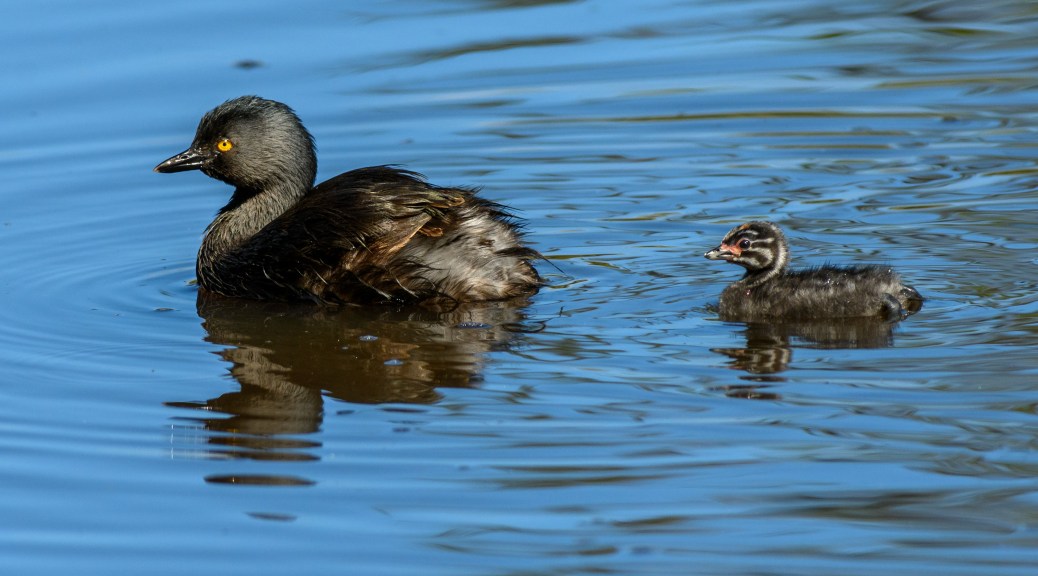
In my post about nesting Least Grebes I said I would be showing photos of the distant birds taken with my 300mm lens and stacked 1.4X and 2.0X teleconverters. Here is a photo of one of the parents is about to feed a piece of crayfish to the chicks. Continue reading A happy family… with stacked teleconverters→
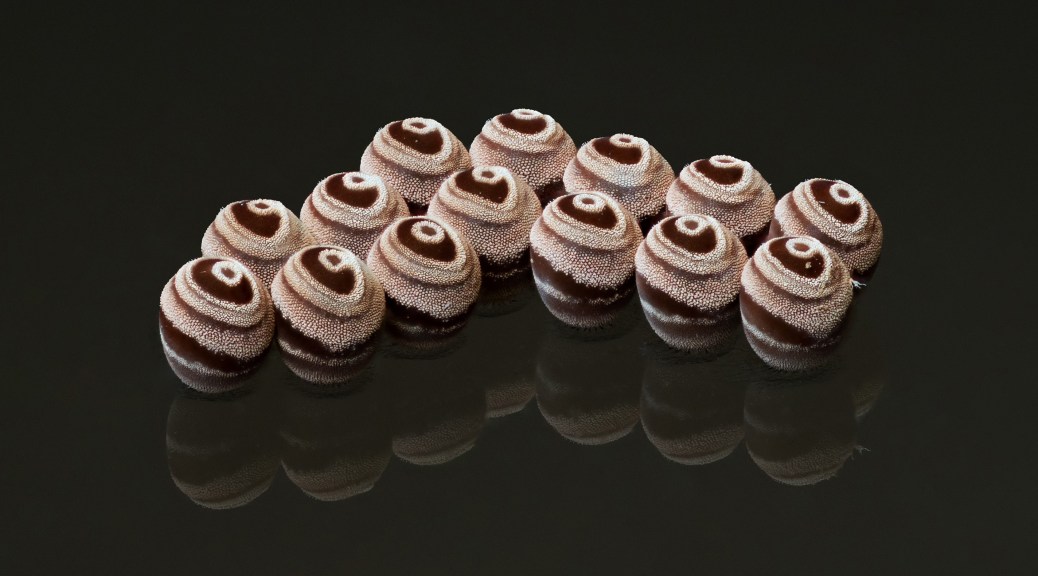
Ok, they only look like some fancy chocolate candies but actually are tiny butterfly(?) eggs. How small? The whole clutch measures 9 mm from side to side (a little over one third of an inch). Continue reading These are not chocolate candies!→
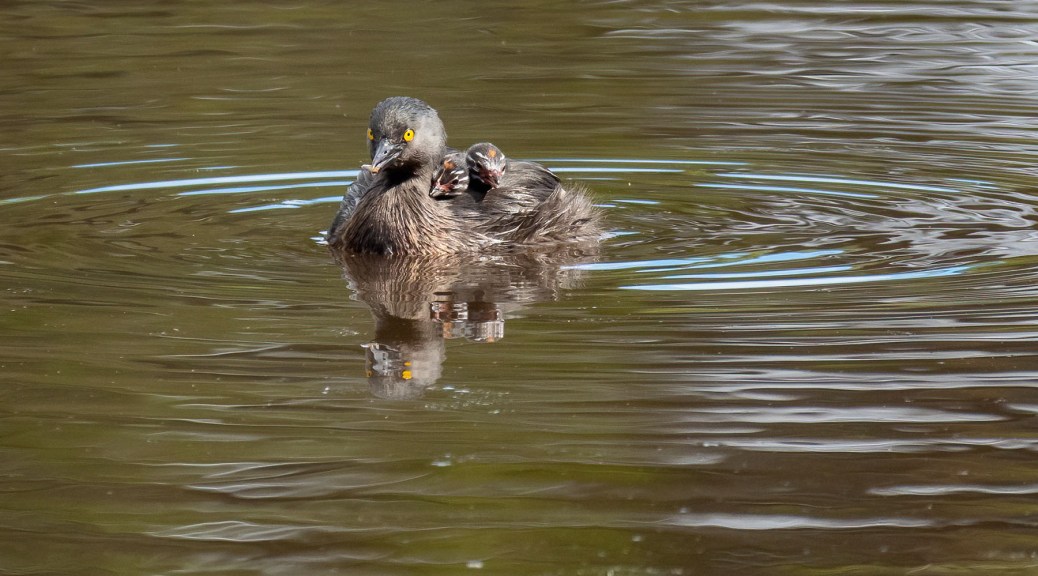
A few weeks ago my friend Marco Saborío, a very experienced nature photographer, told me there were several nesting Least Grebe couples on a pond. I love the piercing yellow eyes of these diving birds but I had not seen them nesting before: I was in for a nice surprise! Continue reading Nesting (Cute!) Least Grebes→
By chance I found on the same memory card photos of the Golden-Orb Weaver and the Nylon fishing lines from an Art Installation. They both belong in the same post of course! Continue reading Golden Orb-weavers and Art Installation→
Writings about the art and technique of photography. Mostly with Nikon and Olympus equipment.




 eduardo libby: photography blog