Tag Archives: digital photography

Shadow on the Sun: Crescents on Earth

It happened once more, as predicted by Pythagoras and Galileo’s Music of the Spheres. Our Moon passed in front of our Sun, just far enough this time that it didn’t quite hide it all the way to its borders. The Sun’s Corona was not revealed but created what has been called a ring of fire.

I have had the pleasure to watch several solar eclipses in my life, including total ones and believe me: nothing matches a total solar eclipse! Next best to me are annular eclipses like the one we just saw across the American continent. I got to see one as a child and I remember very well watching it with a solar filter on my telescope.

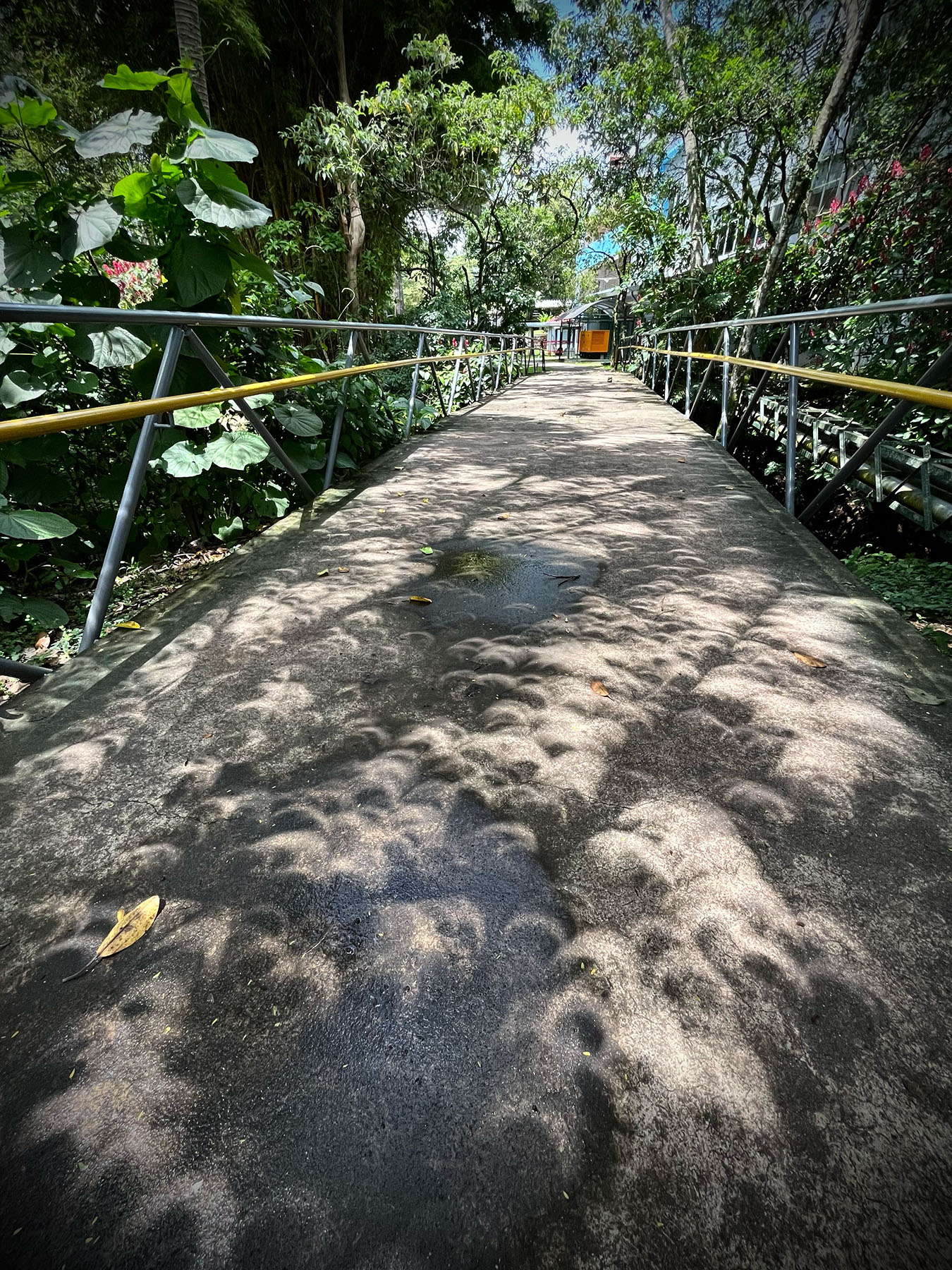
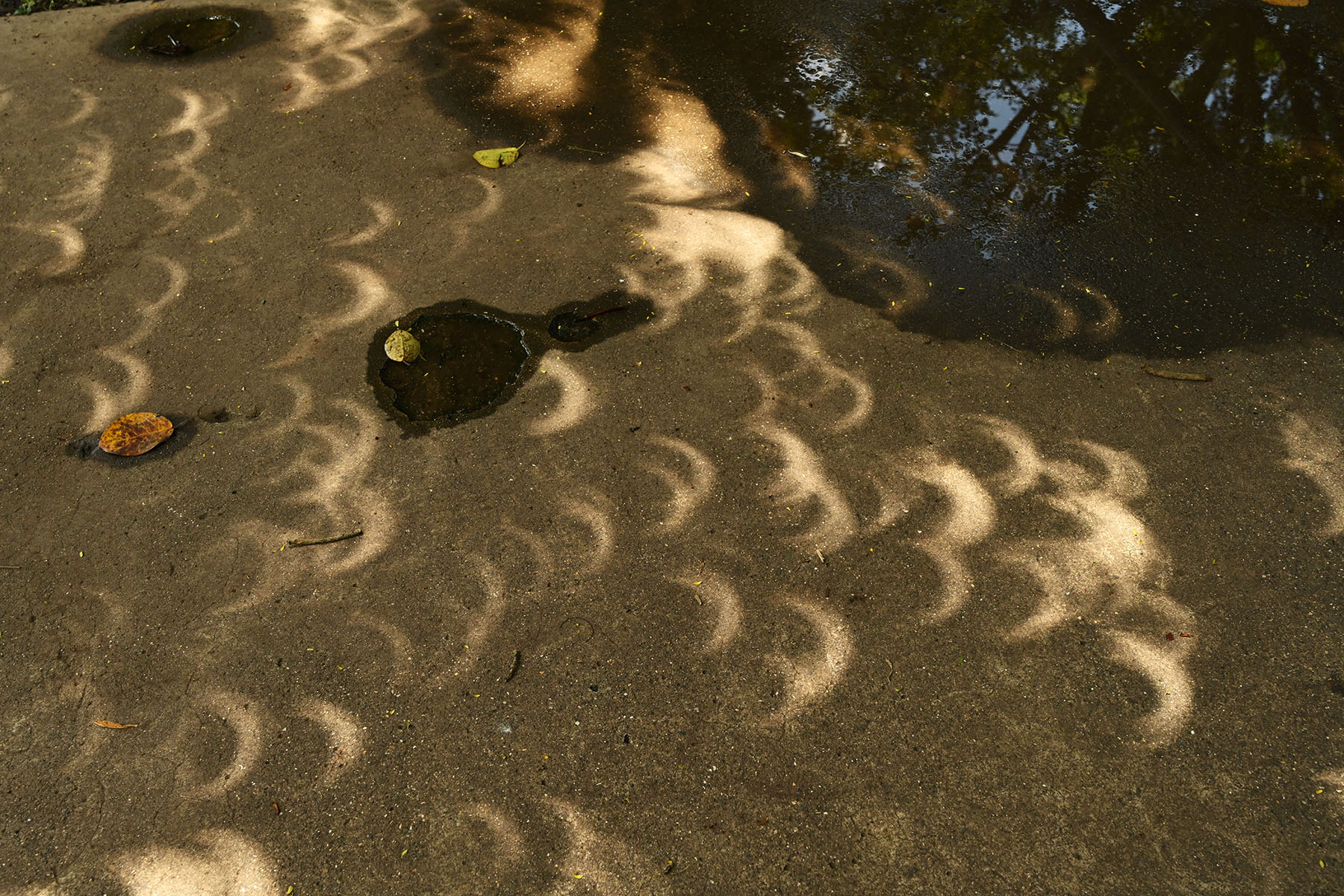
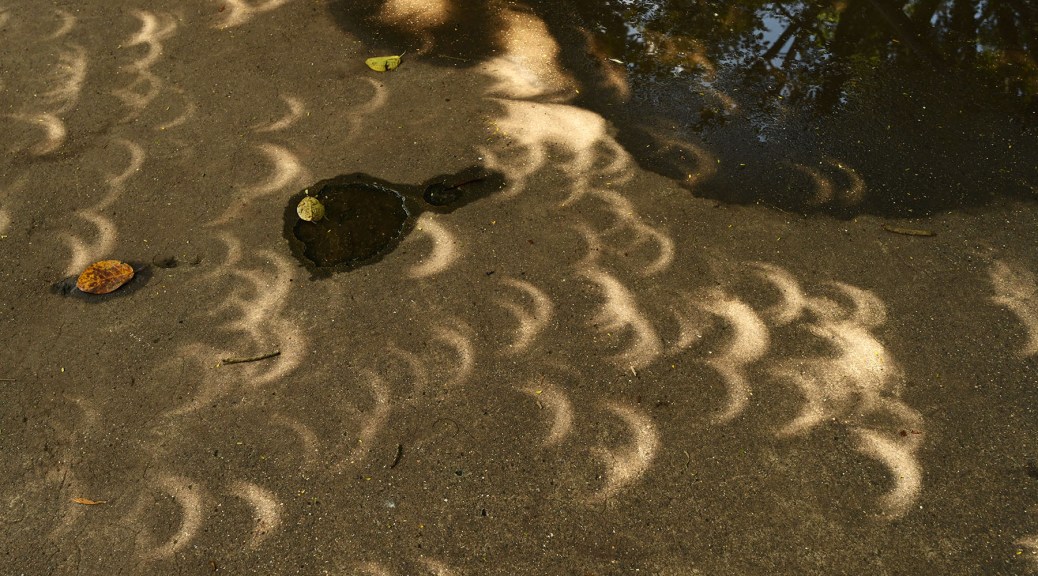
Costa Rica, where I live, was not quite in the best place to see the ring. We just got a more darkened than usual partial eclipse. What to do? I decided to photograph the light spots formed by tree leaves that are actually a pinhole-camera like projection of the Sun. Instead of being round they look like crescent moons during a partial solar eclipse.

Yes, I also got a photo of the Sun when clouds were moving in and I was able to make a photo without filters.

Have you seen the little crescents on the ground before?

A view of a partial solar eclipse and trees.
Partial solar eclipse in Costa Rica, near noon, just as clouds moved in.
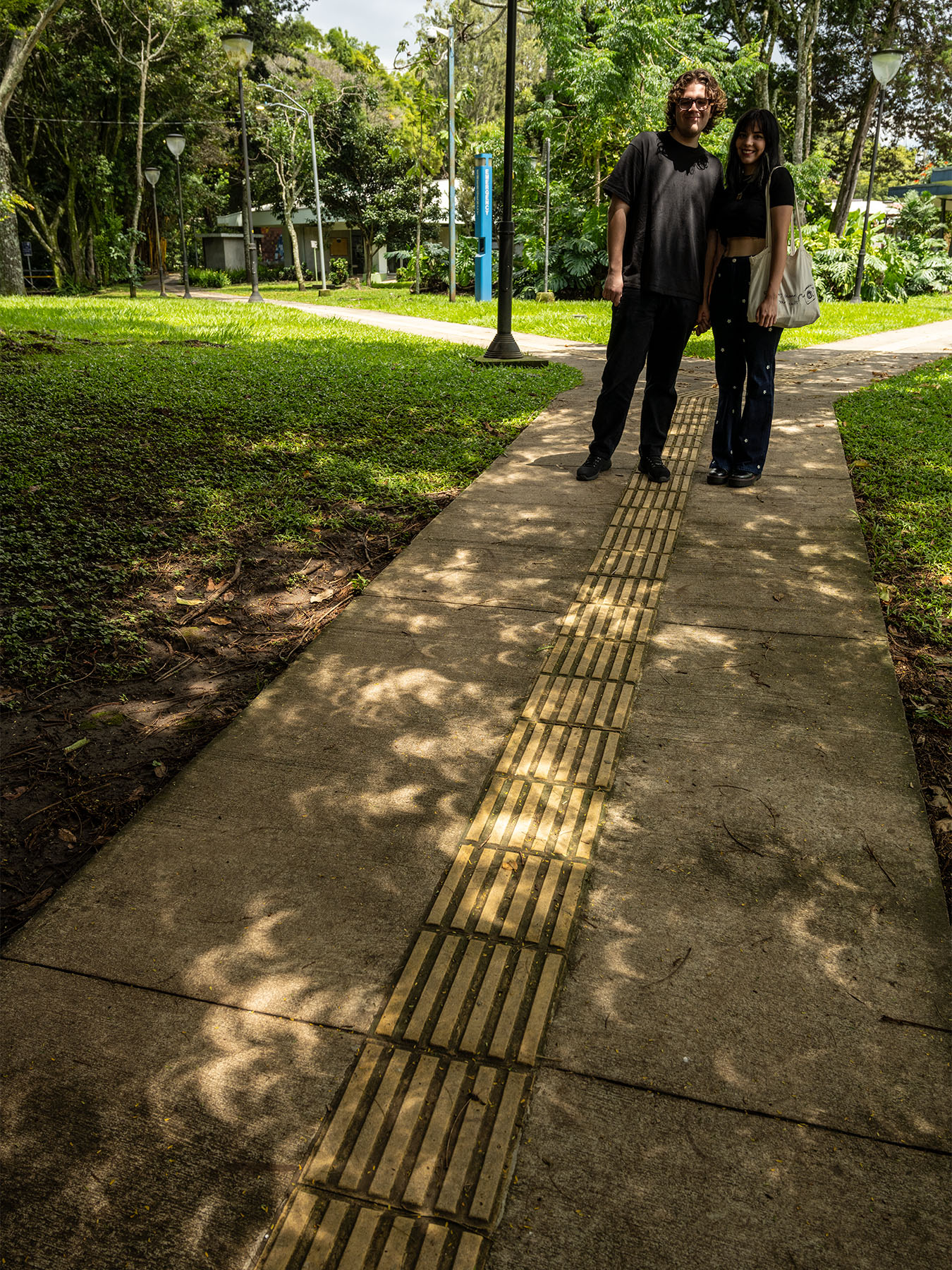
A couple that was watching the crescent-like images on the sidewalk.
A couple that was watching the crescent-like solar eclipse projected images on the sidewalk.
Crescent-like solar-eclipse images formed by the trees. Photo by Eduardo Libby
Crescent-like solar-eclipse images formed by the trees on a pedestrian bridge at the University of Costa Rica
Solar eclipse images formed by diffraction by the openings among the leaves of the trees. Photo by Eduardo Libby
A detail of the solar eclipse images formed by diffraction from the openings amongst the leaves of the trees.

Slime Molds Time!

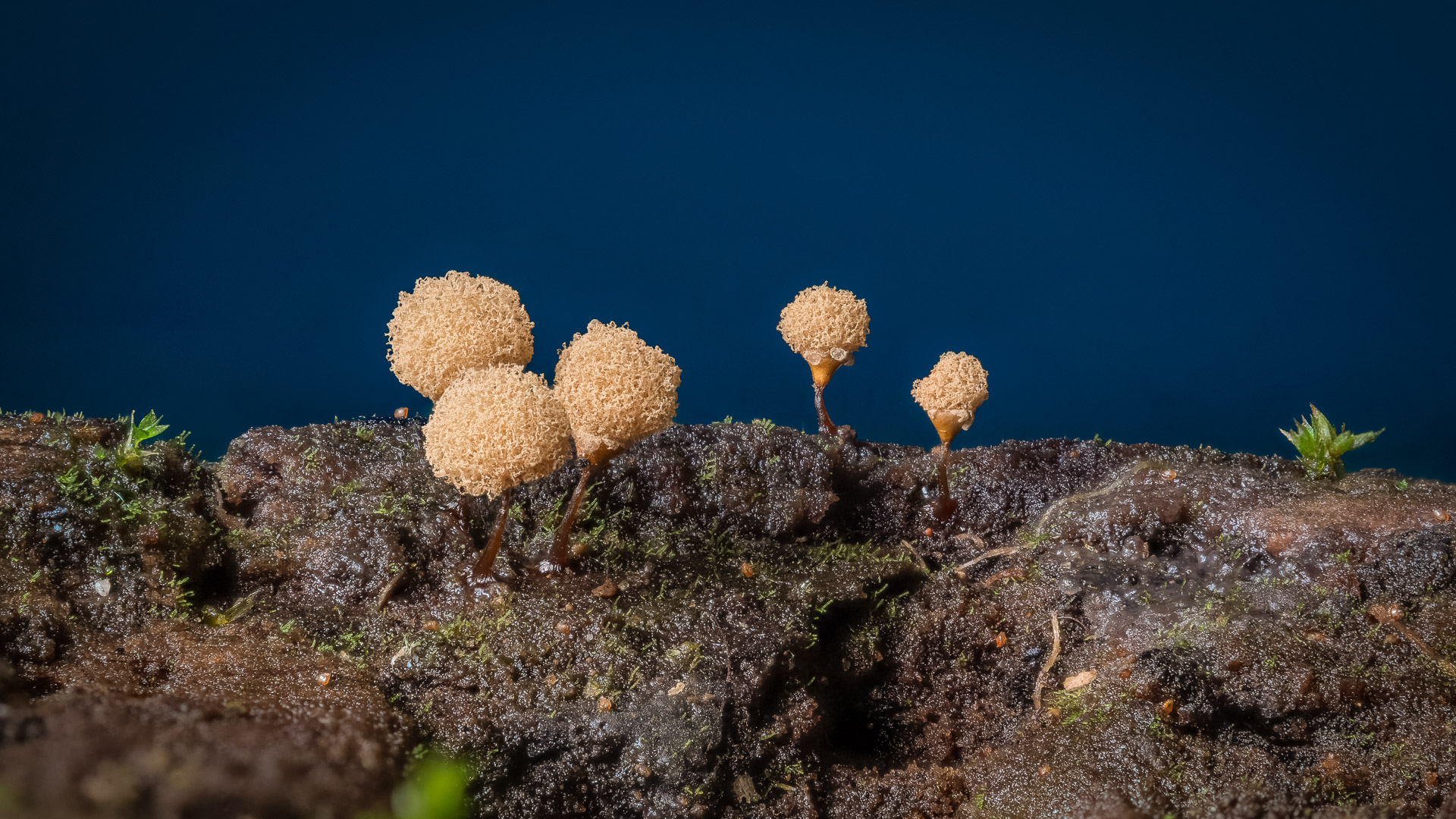
I joke about me being too tall to see slime molds down there on the forest floor, but occasionally I get to spot them. Then comes the process of setting up my camera and tripod in the most awkward position possible and holding my breath for long exposures… I guess if macro photographers ever do yoga or free-diving they will be a force to reckon with in these disciplines.

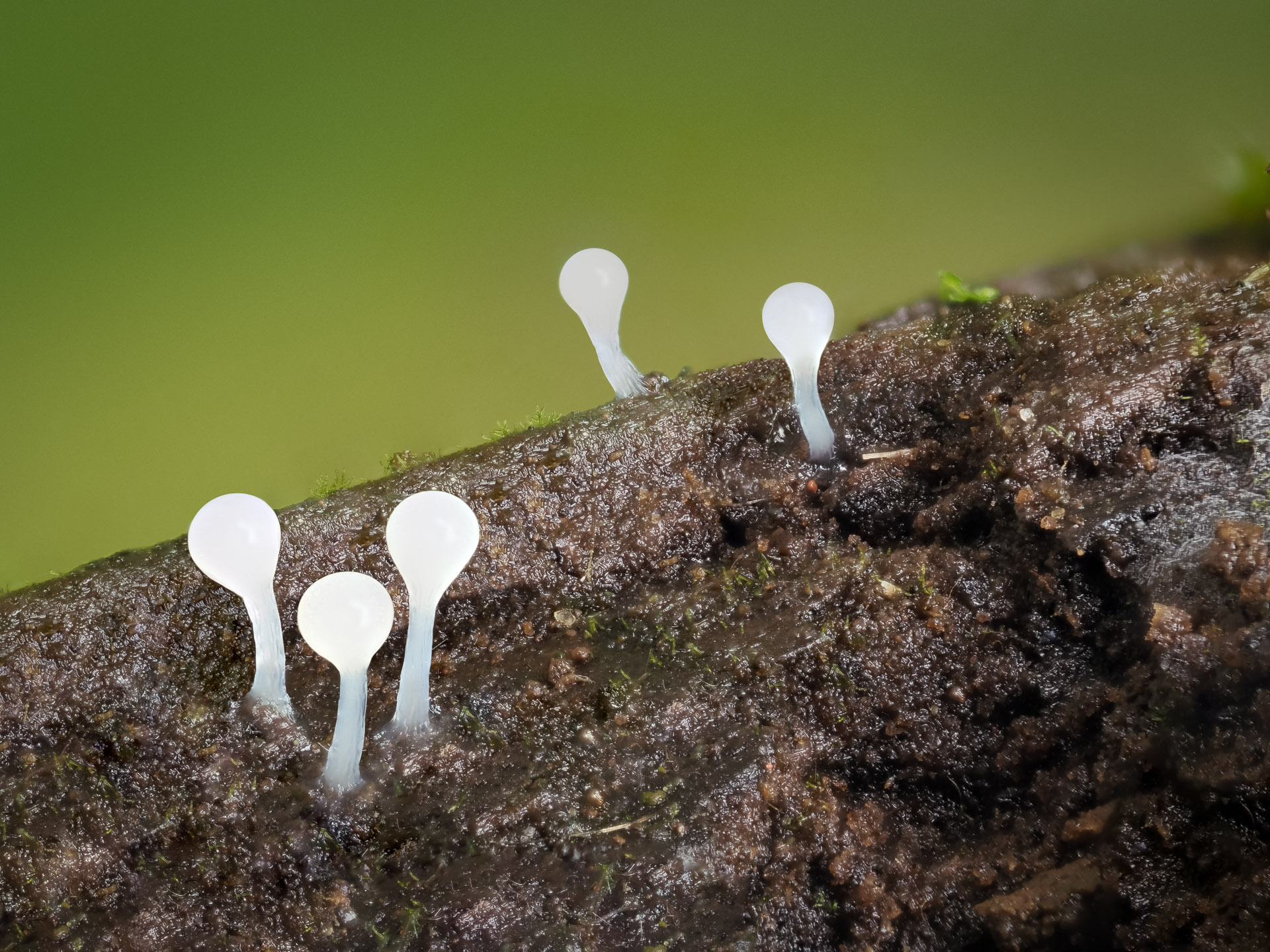
White slime molds growing on rotten wood.
These Myxos (I think they are Trichia or Hemitrichia) remind me of light bulbs. The fruiting bodies become reddish later.

There are three phases in the life cycle of slime molds that are very photogenic: The unopened fruiting bodies or sporangia, the equivalent of mushrooms; the already opened sporangia that held the spores; and the viscous liquid phase that crawls about, looking for nutrients. I think the latter one looks better in stop motion videos though.

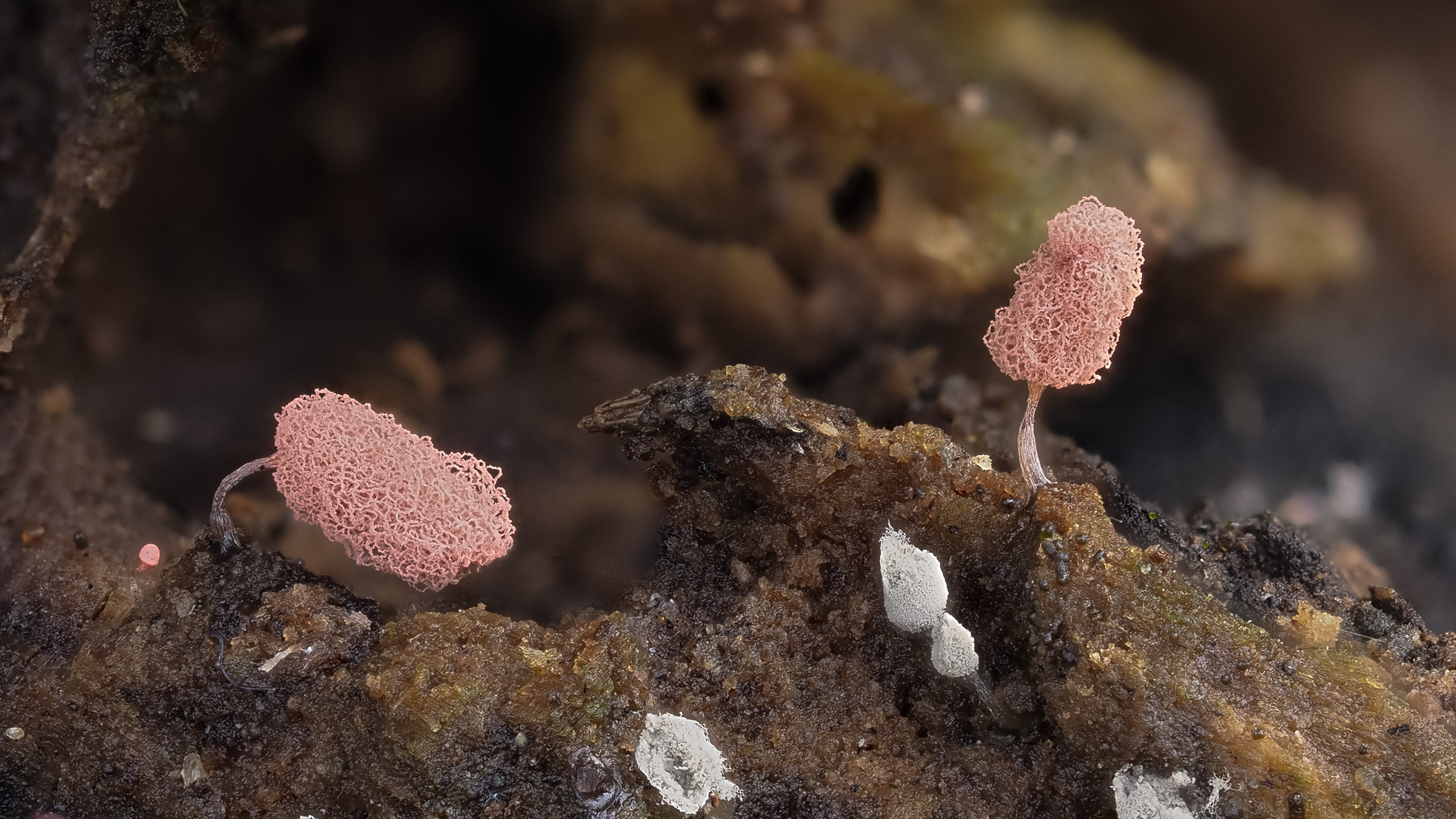
Myxomycetes (opened sporangia)
These are the same white fruiting bodies after they opened.

These things are about a millimeter tall and require stacking macro images to get a good looking image. Luckily, my OM System OM-1 camera can do this automatically as long as I don’t need to do stack more than 15 photos. If more images are needed the camera will take as many as I want but then I have to stack them later using Helicon Focus. Either way it saves you from having to slowly slide the camera in a focusing rail to get each image for the stack.

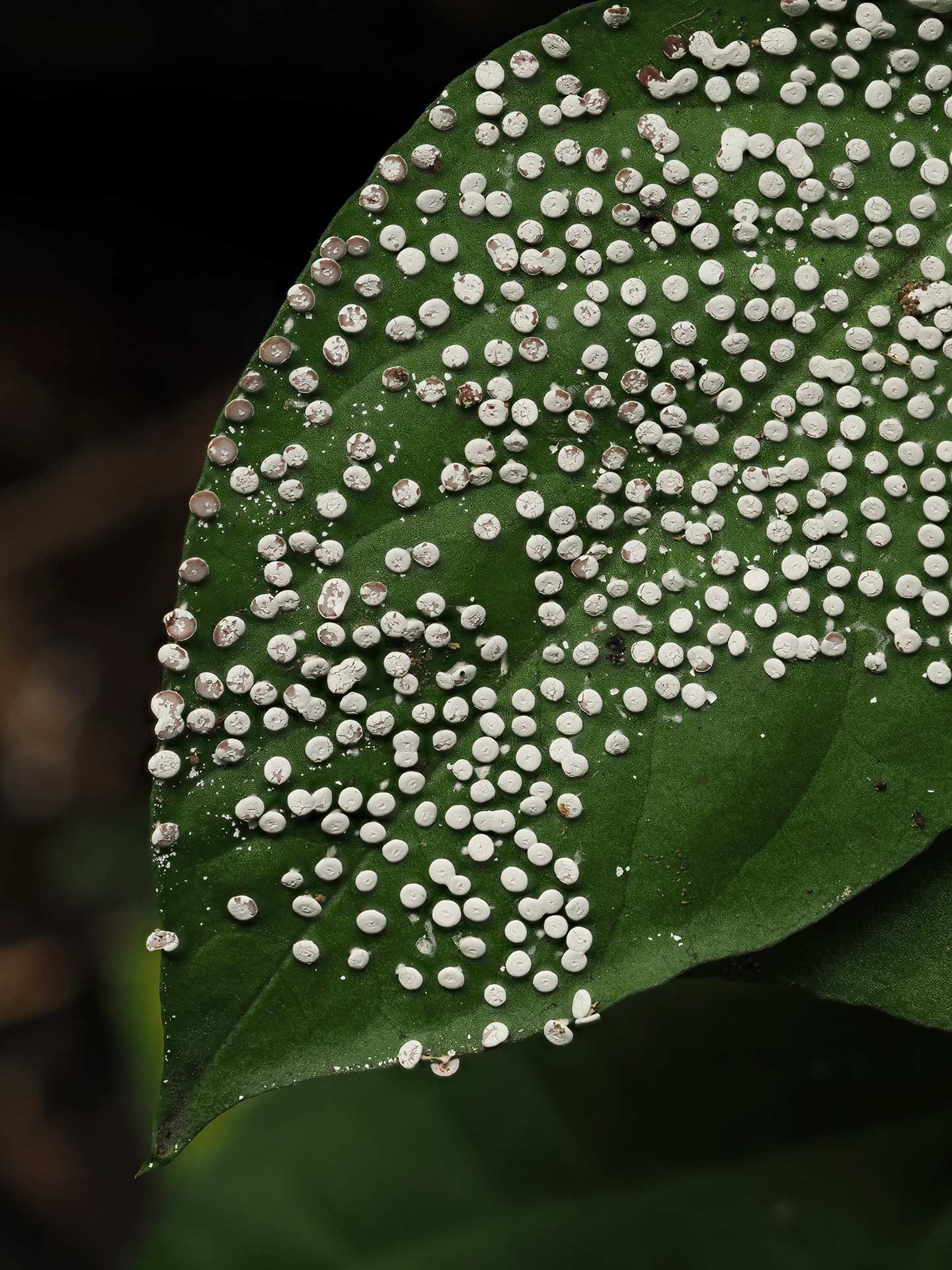
The white Didymium growing on a leaf was an in-camera stack. You get a ready to use stacked jpeg and also saves the individual raw files in case you need them. The other ones are stacked using Helicon.

Finding a nice subject among these tiny organisms brings about a sense of discovery that certainly makes up for any technical hardships!

Didymium slime molds growing on a leaf.
Didymium growing on a leaf. An in-camera stack ready to use.

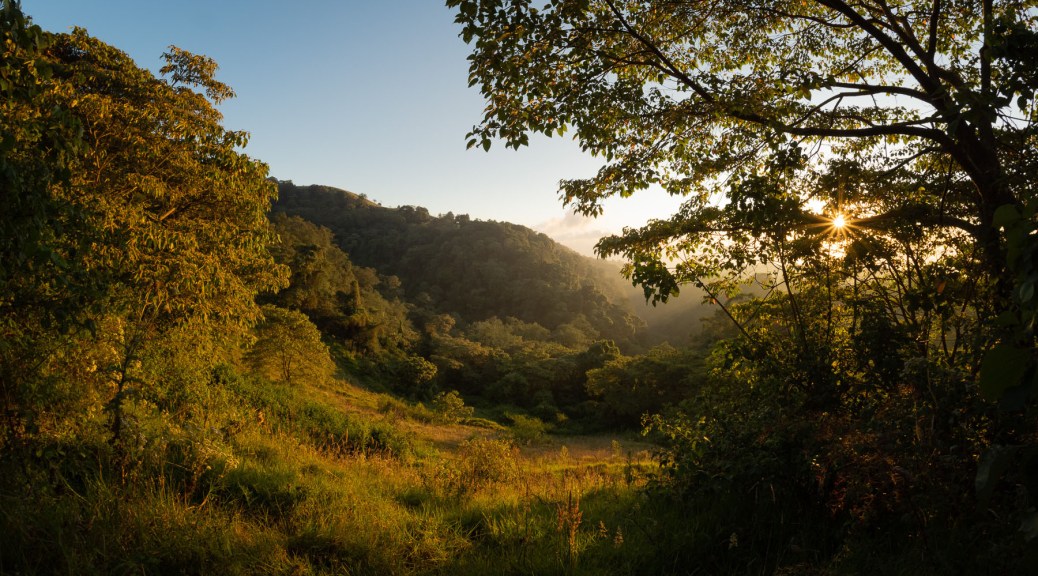
Sunset pictures are OK, right?

Some landscape photography books and websites claim that sunset photos are amateurish and should be avoided by true Landscape Photographers as they are plain boring.

Really?

One of the most inspiring views in our planet is an spectacular sunset, or a sunrise if we are early risers. It is no surprise that we all aim up our cameras to remember and to share the view. I’ve seen simulations of Martian sunsets and they look sad and nearly colorless. I will not be a colonist there, trust me. In the Moon, with no atmosphere, they are just black!

So here I am, sharing yesterday’s sunset in my corner of our beautiful planet. I hope you will find it as pretty as it looked to me!

Musical!

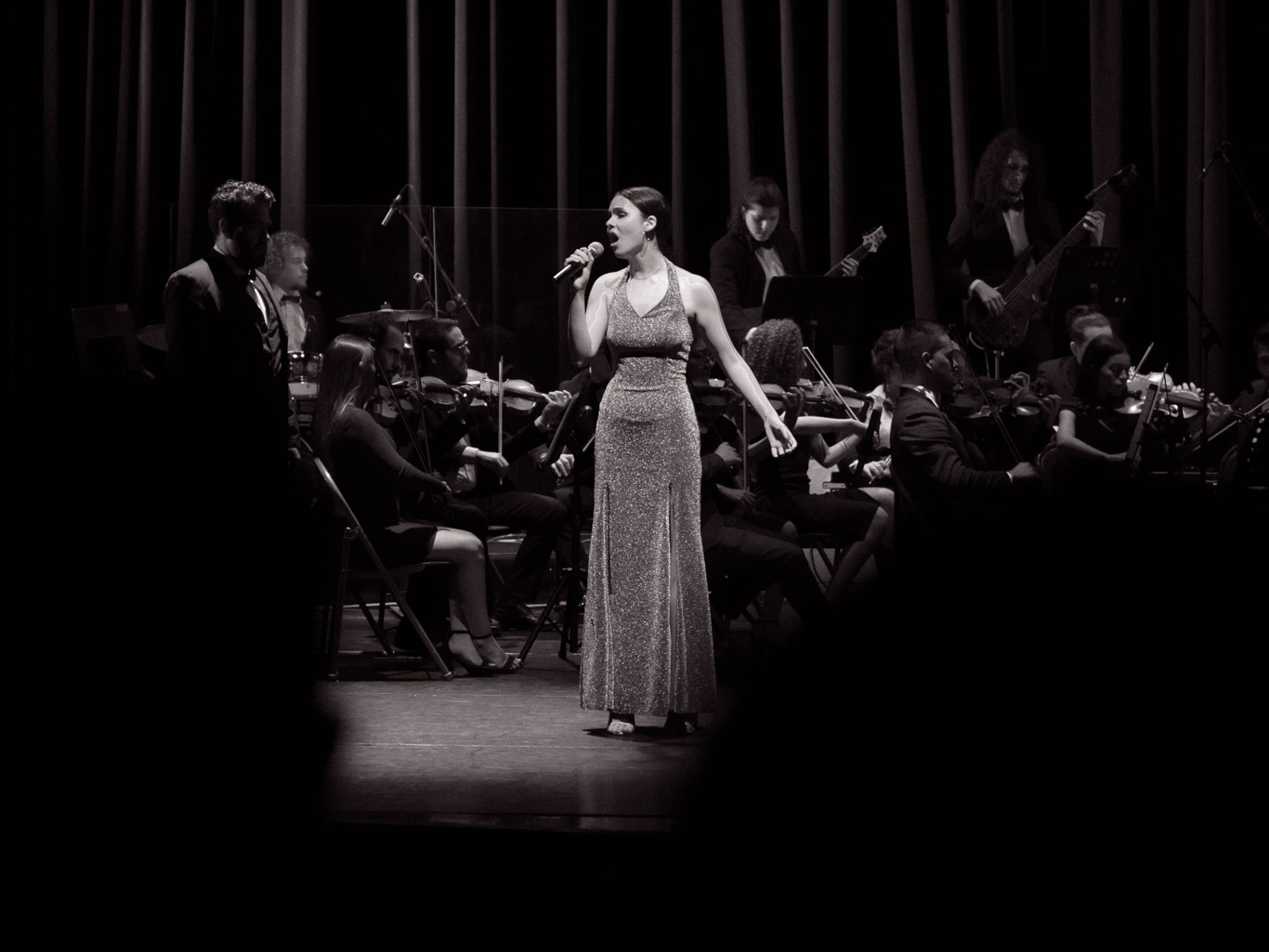
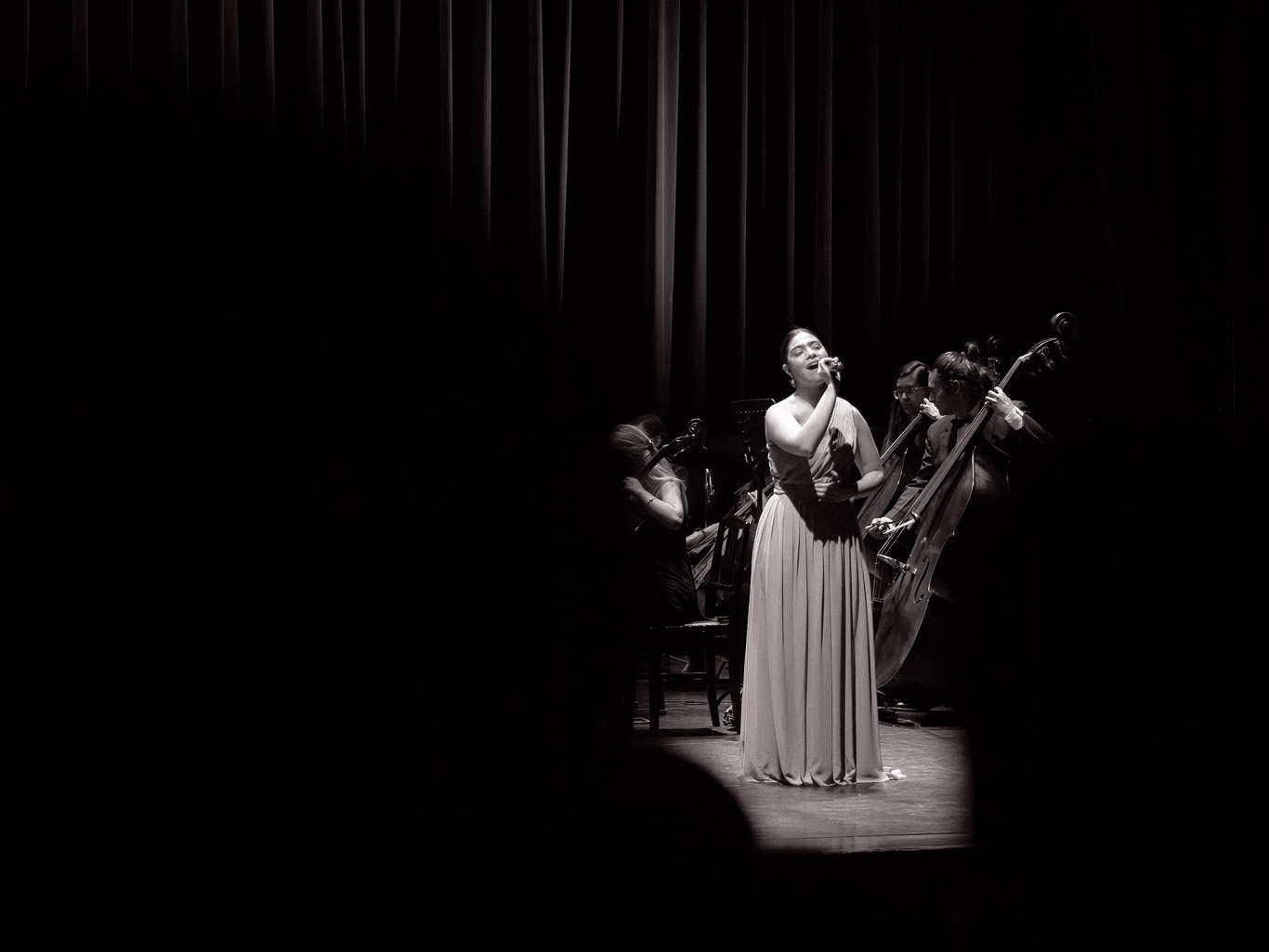
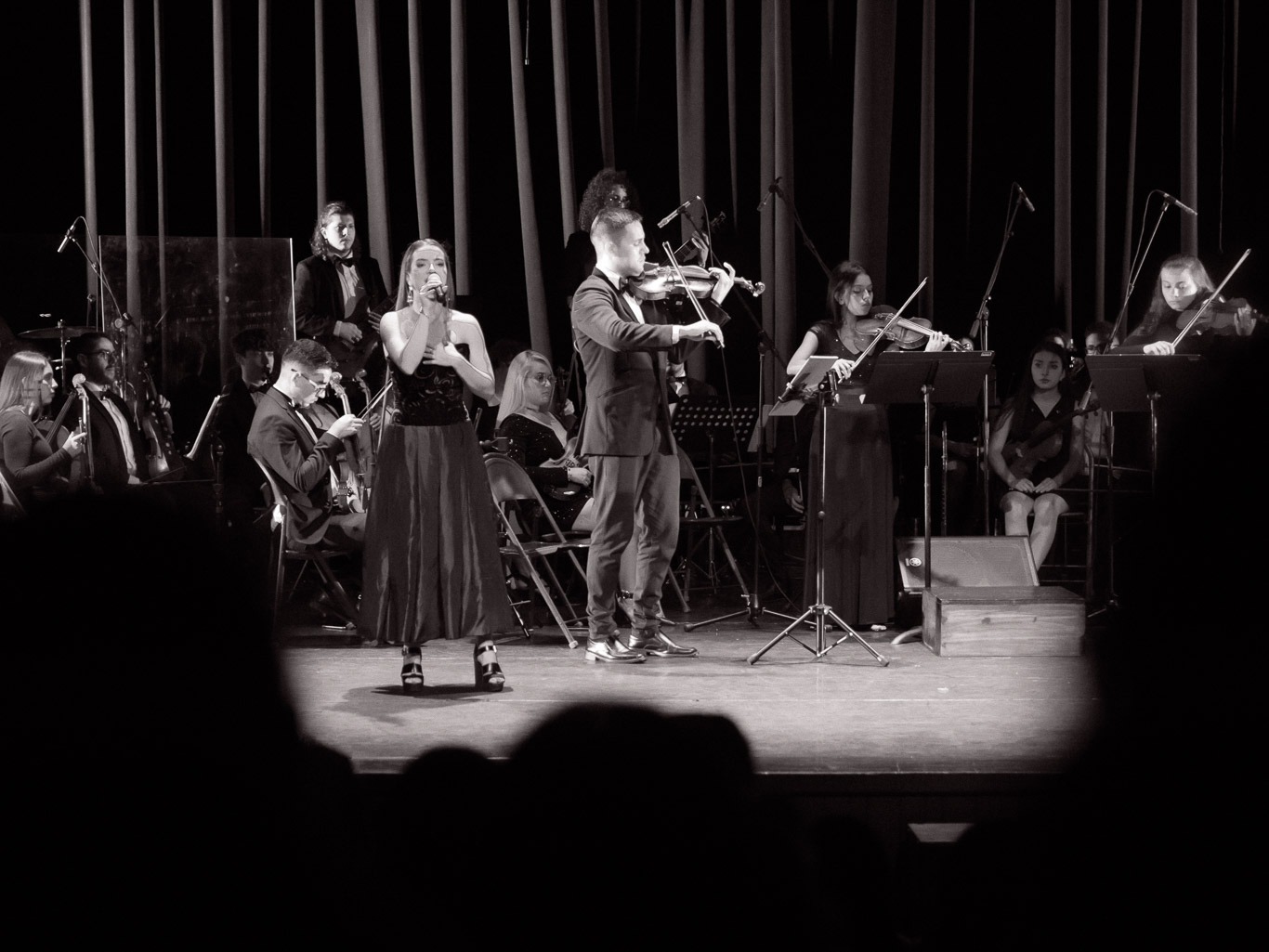
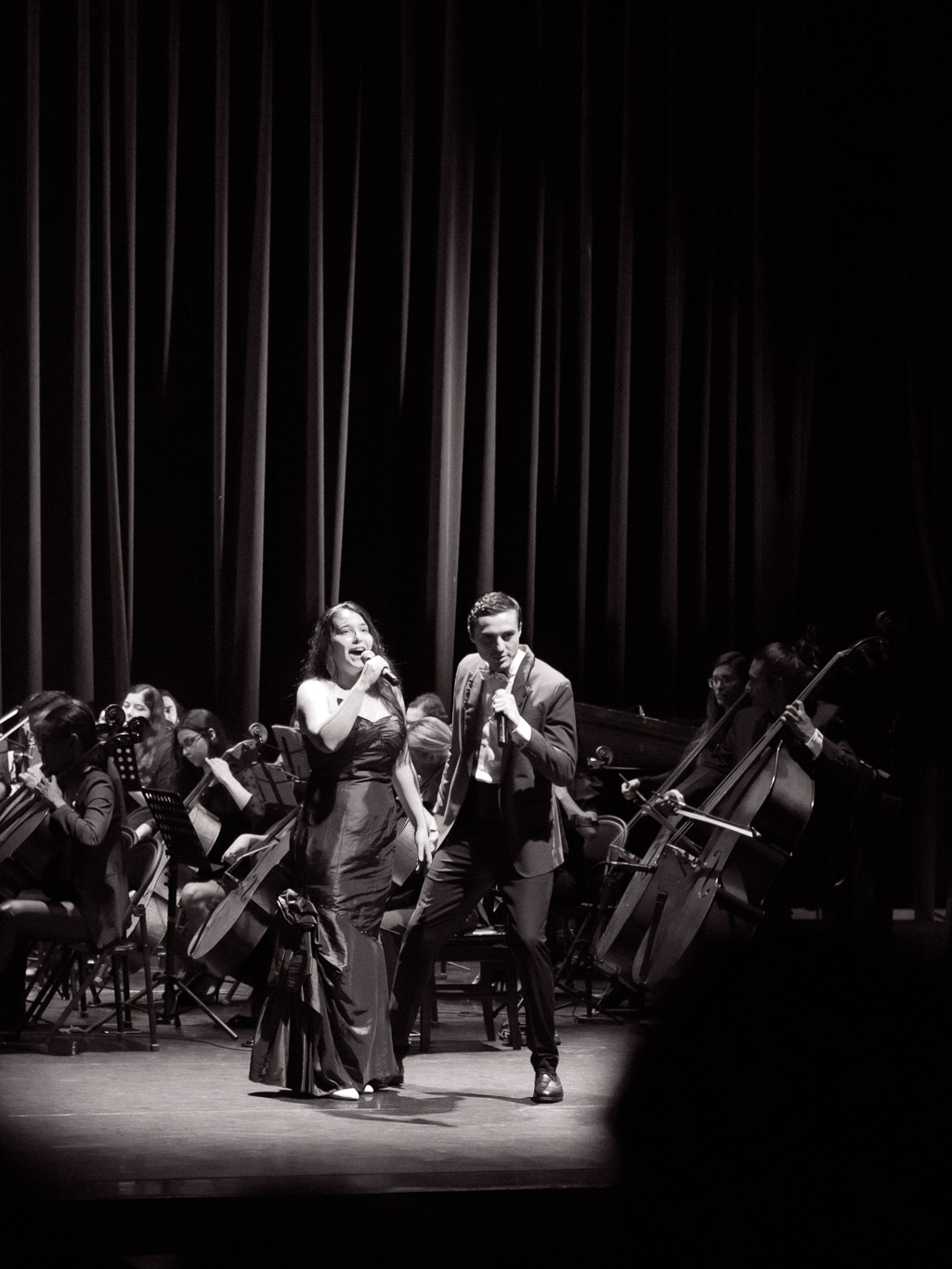
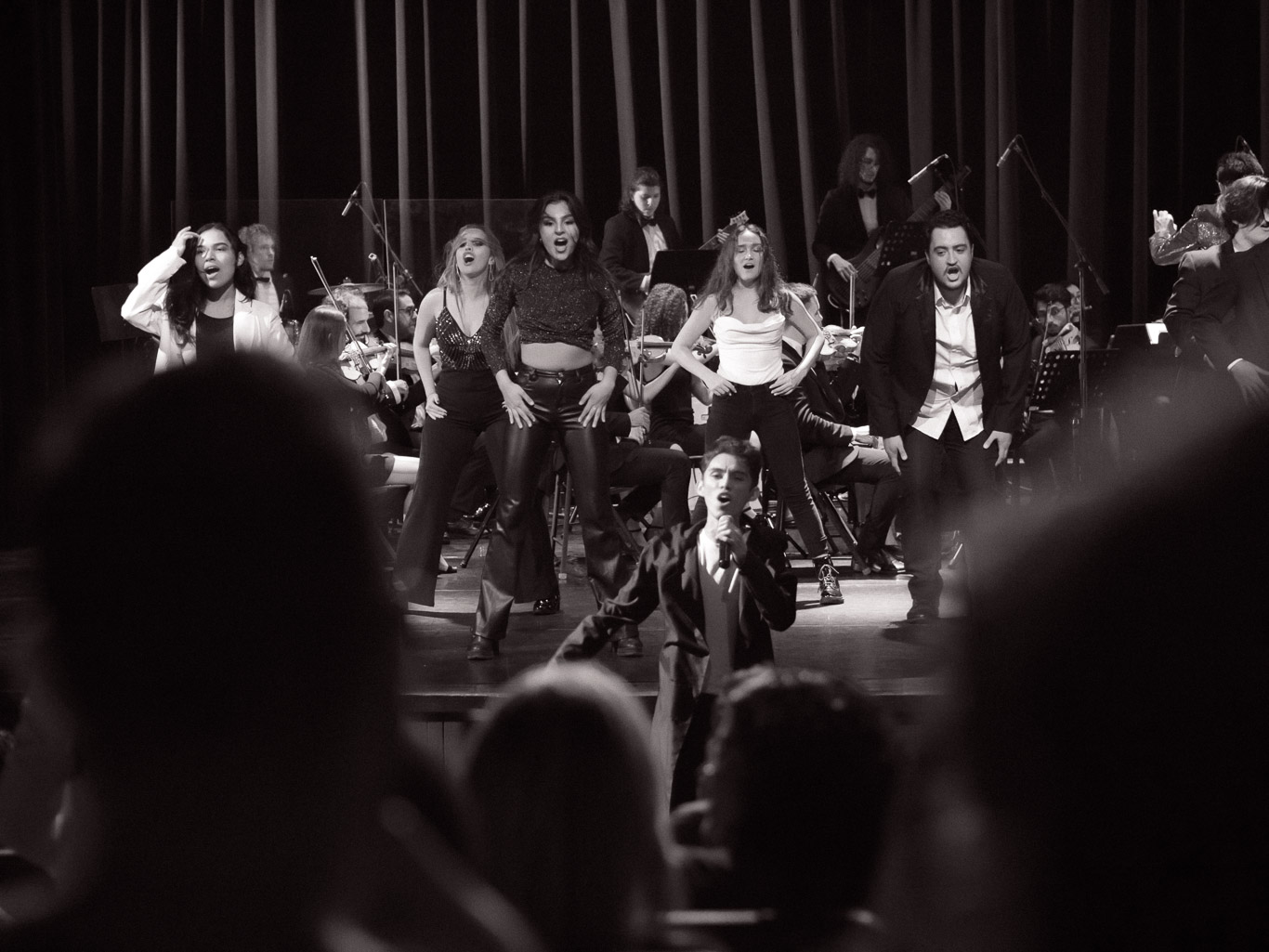
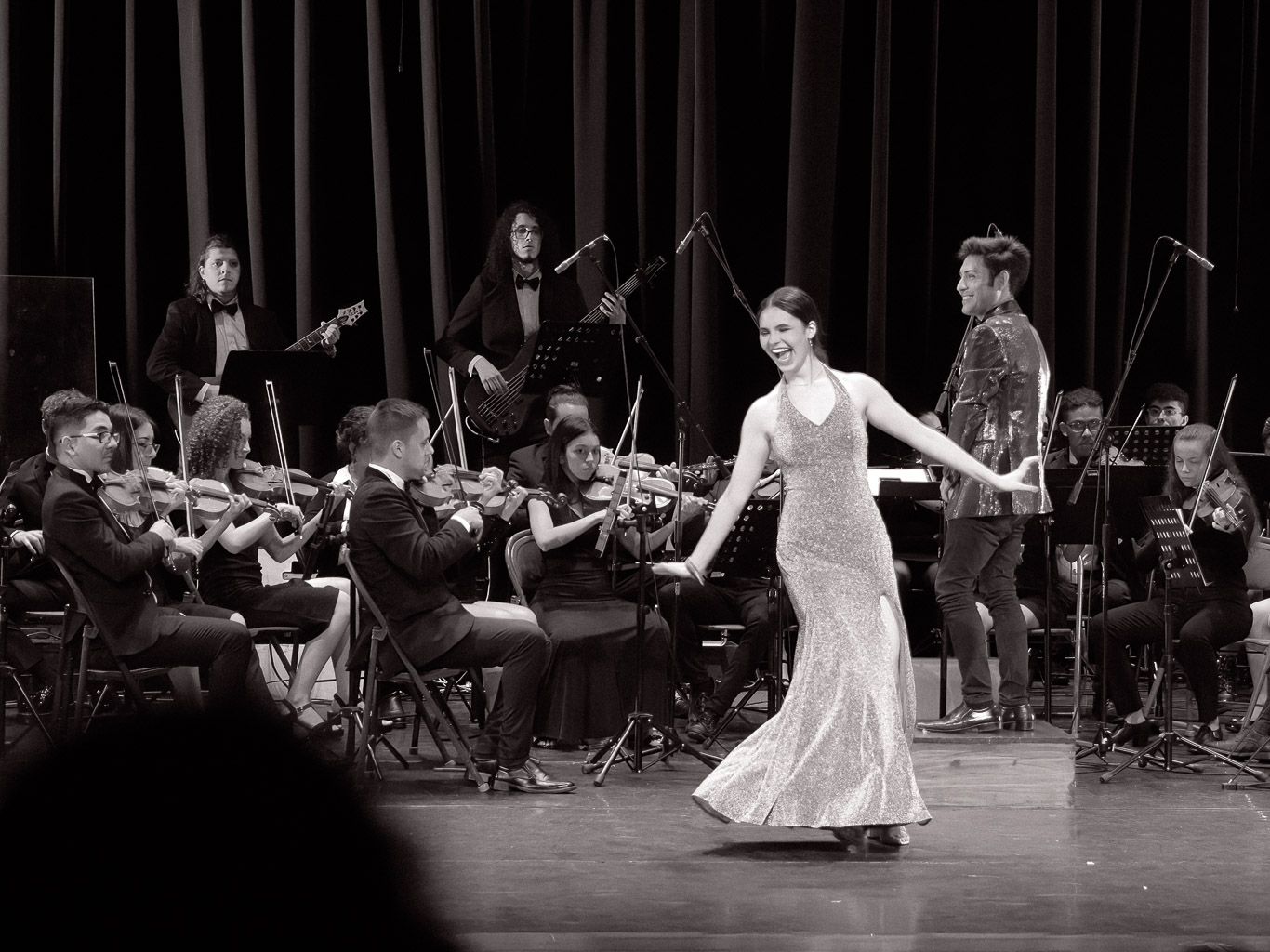
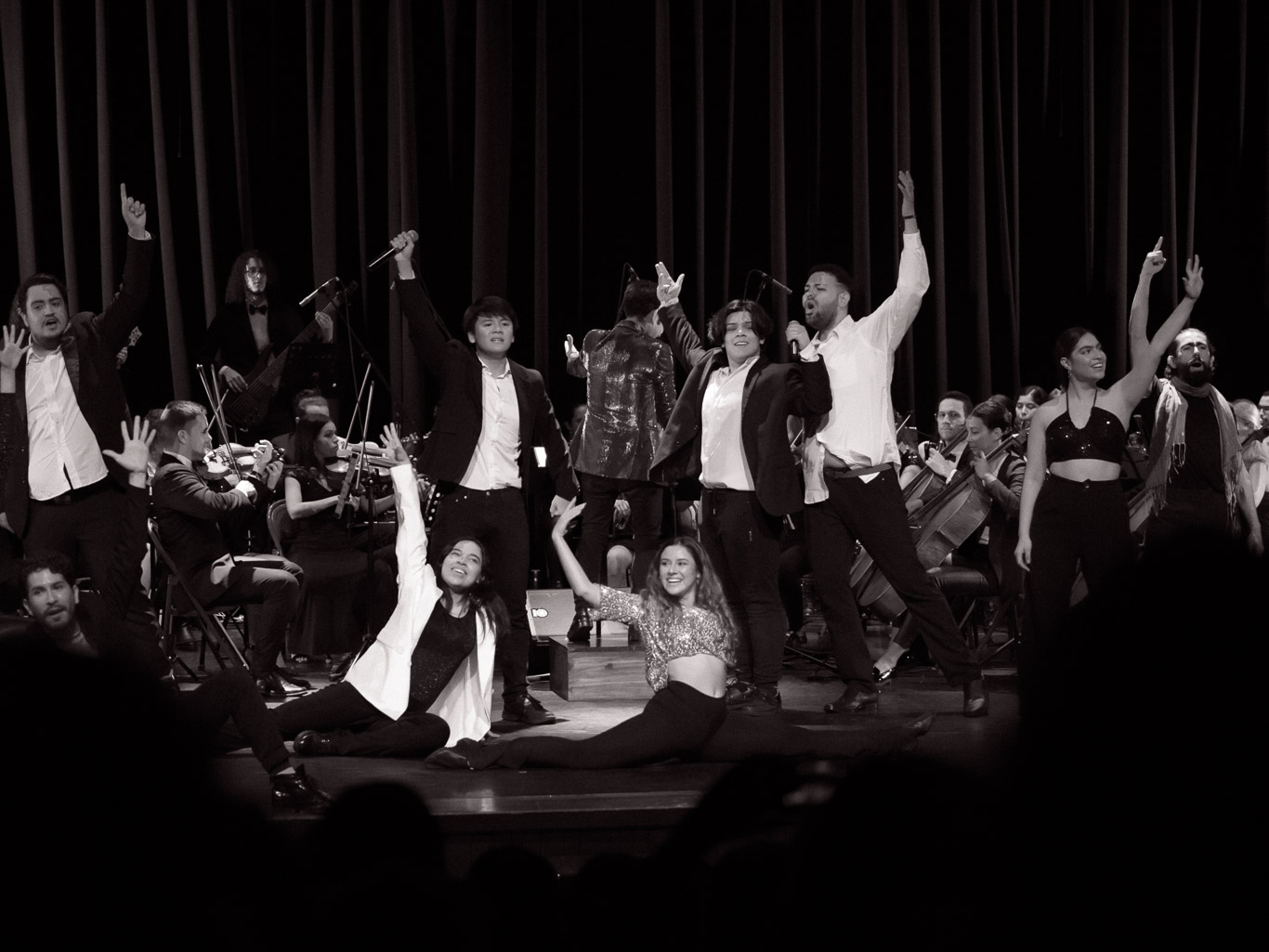
Last week I had the pleasure to hear a concert by the Orquesta de Costa Rica with vocals by La Colmena Performance Arts Center. They chose to sing pieces from well-known Musicals and did so remarkably well.


That day I was carrying my Olympus Pen-F and a couple of fast primes and, even though we were seated towards the back of the theater, I decided to do some viewer’s perspective photos. When I have this camera in my hands and am shooting people I always end up doing black and whites: it must be the looks of the camera body…


What you see here are not the in-camera black and whites as I had to do a little processing and cropping. If I’d had a chance to frame better the photos by moving around I’d probably be using the superb Pen-F originals.


I feel my approach gives the performer’s photos a nice classical look, but… what do you think?

Selected pieces from Musicals performed by Centro de Artes Escénicas La Colmena and the Orquesta de Costa Rica

Ultrawide Rectilinear or Fisheye lenses: to defish or not to defish

An ultrawide lens (anything below 24 mm in 35 mm equivalent format) can provide a sweeping view of an open landscape, but I also find it important for crowded forest and tree covered environments.

The widest rectilinear lens I own is an 11 mm lens by Irix and it is an excellent lens, but these pictures are made with other lenses. They are landscapes I made while testing an ultra wide 11 mm lens by Venus Optics on my Z7 alongside a 12 mm Samyang fisheye lens. I no longer own either lens but the photos I made that afternoon are good representatives of what can be done with these optics.

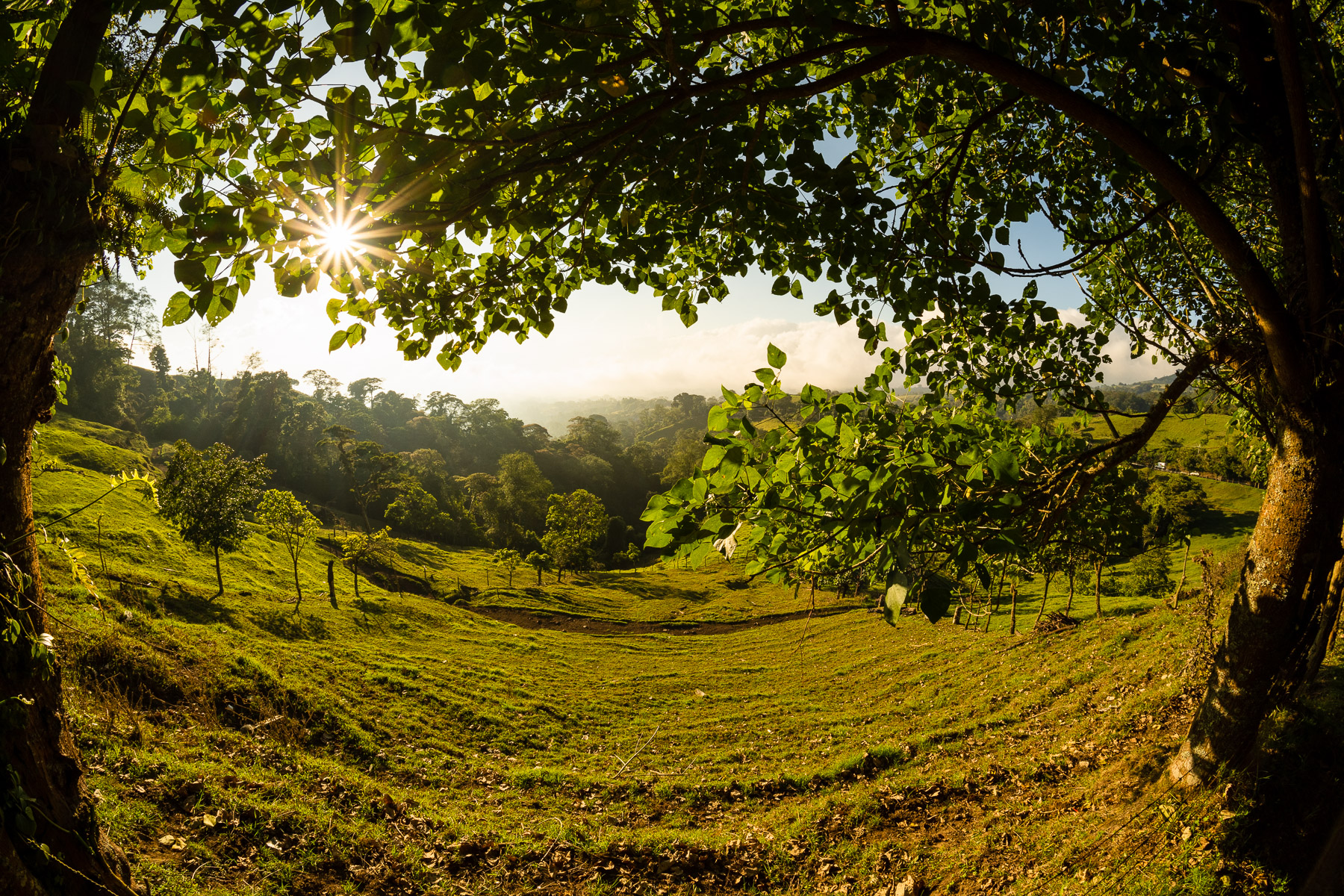
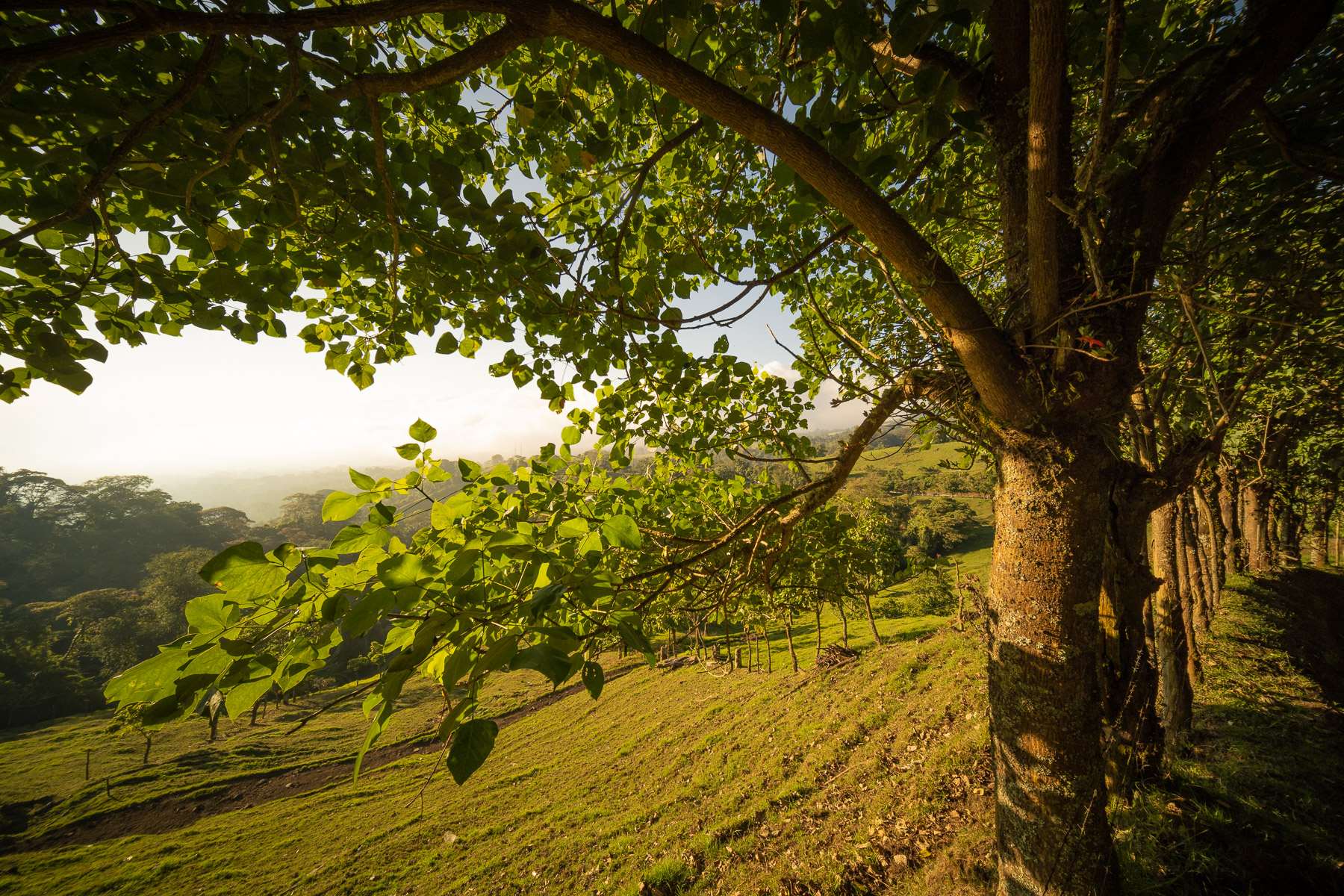
Pastures photo taken with a fisheye lens. Photo by Eduardo Libby
A fisheye lens allowed me to frame the pastures with he branches literally above my head. By keeping the horizon near the center of the frame, it remains straight on a fisheye lens image.

One thing I sometimes dislike about ultra wide rectilinear lenses is that elements in the corners of the image can look too stretched, like sucked into the frame. Because of this, I sometimes actually prefer using a fisheye lens: when used carefully, one can can hide the strong deformation we associate with their extreme projection. By keeping the horizon near the center of the frame, it remains straight on a fisheye lens image. In other cases, the image can be reprojected (defished as some people call it) to avoid the curved corners.

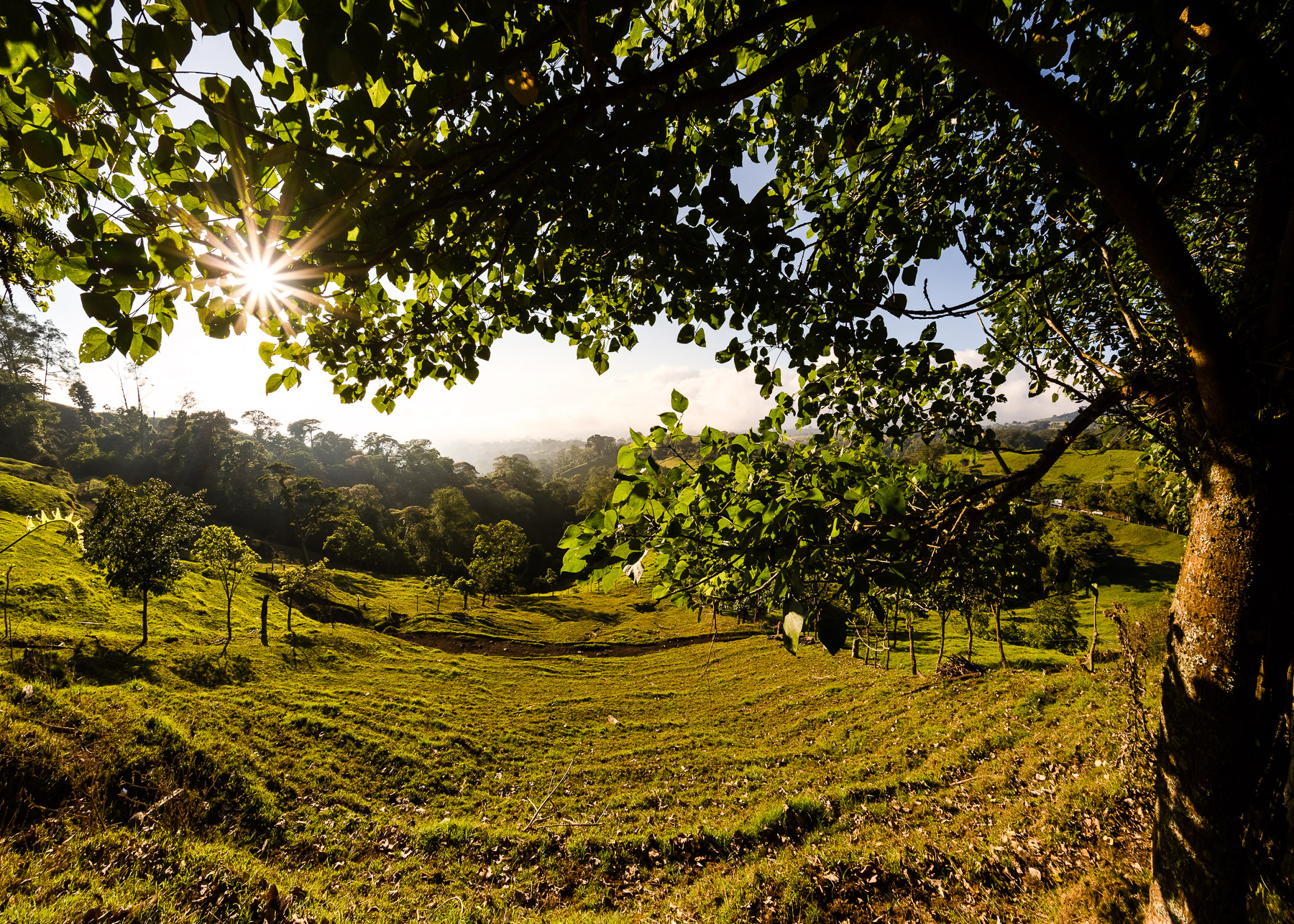
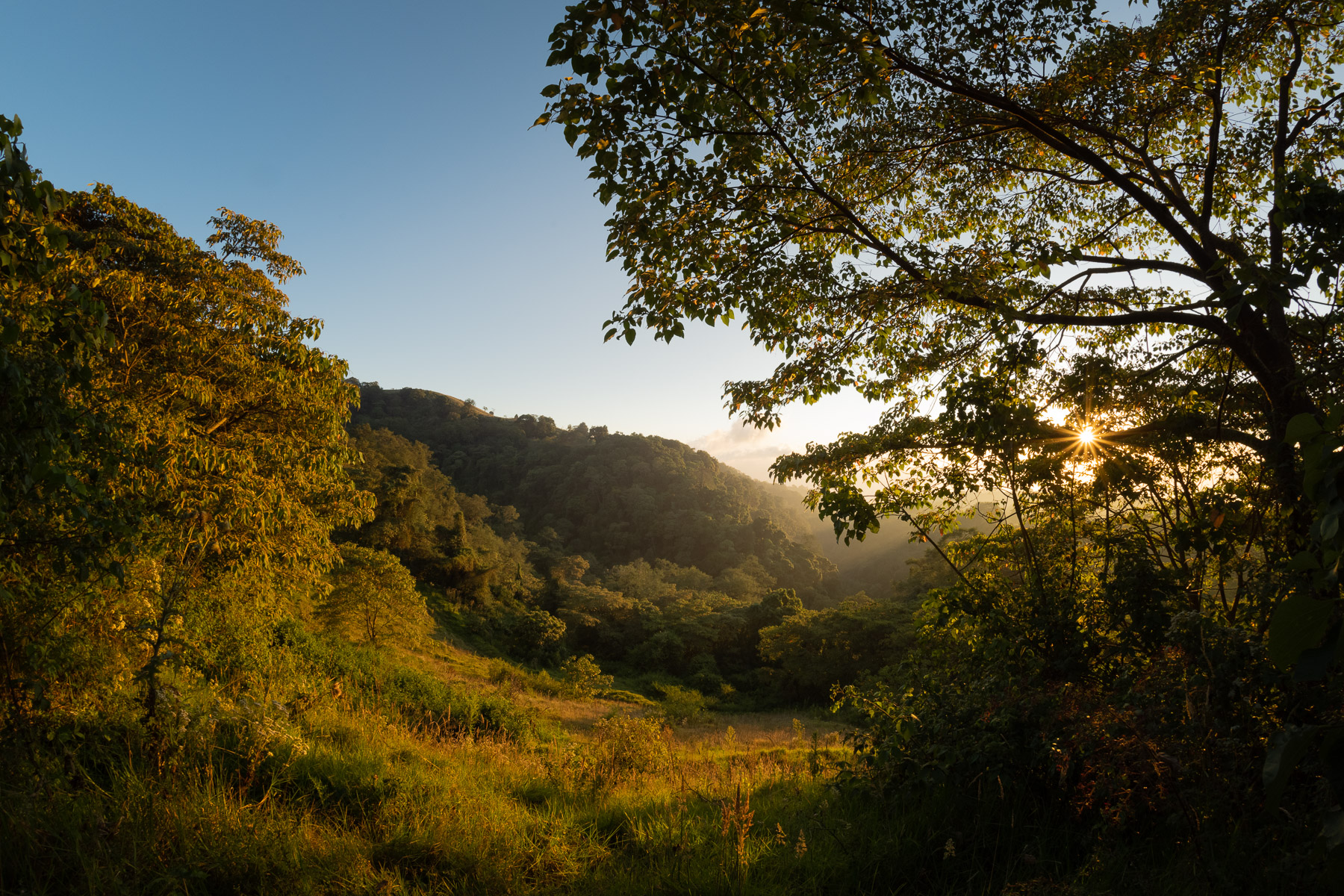
RReprojected fisheye photo of pastures. Photo by Eduardo Libby
Removing just enough of the fisheye distortion can provide a convincing ultra wide image without the light falloff that plagues rectilinear ultra wide angle lenses in the corners.
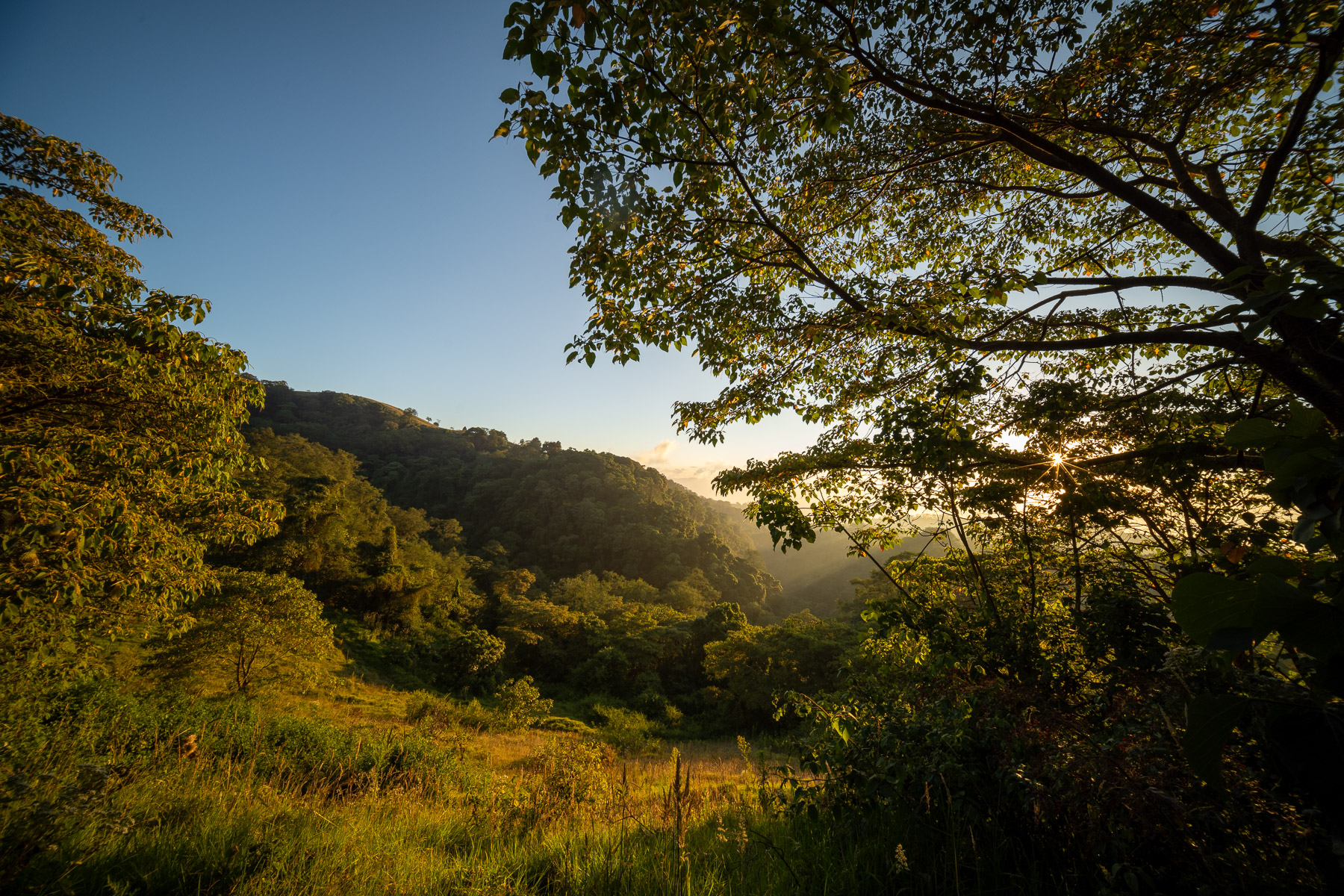
Pastures photo with an ultrawide angle lens. Photo by Eduardo Libby
A photo using the rectilinear Laowa 11 mm lens works fine and takes advantage of the stretching of the lower tree branch to give depth to the composition.

You can be the judge now and decide if this approach works as I really wanted to include nearby elements from a restricted point of view: I was literally shooting from a barbed-wire fence in all the photos I show here.

Have you tried using fisheye lenses for landscape photos?

Comparison of images made using the 11 mm rectilinear lens and a 12 mm fisheye. Photos by Eduardo Libby
Here are two images made from about the same viewpoint using the 11 mm rectilinear lens and the 12 mm fisheye. They are clearly not identical but both are very usable.
Do you like one better than the other?

Slow shutter speed (and life!) on a tropical beach

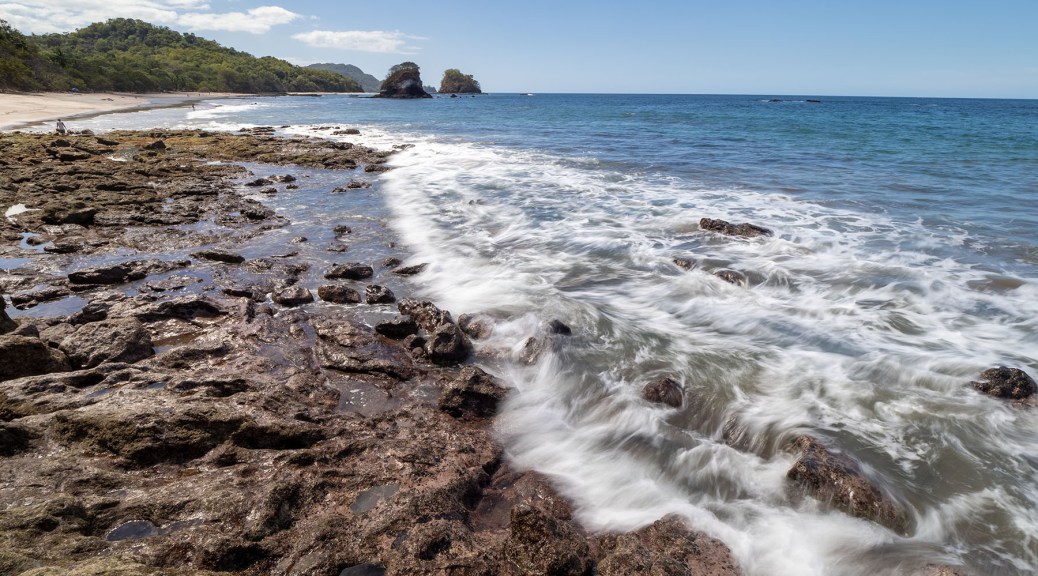
After seeing, and taking, many snapshots of the water on a sunny, tropical beach it is not difficult to notice that the water always looks frozen and the movement and intensity of the moment is missing.

Continue reading Slow shutter speed (and life!) on a tropical beach

Tiny wonders

The first time I saw photos of Slime Mold fruiting bodies, the equivalent of fungal caps, I couldn’t help thinking about life on another planet. The fact that these organisms actually turn into a slowly creeping slime when they are not in the reproductive stage sure helps my mental image of something alien.

These sporangia, a more technical name for the reproductive structure, are barely over one millimeter in length (one mm is about 1/24th of an inch). I am not very good at finding them, but there is a large and enthusiastic group of hobbyists and scientists that are constantly publishing photos of Myxomycetes, the technical name for the Slime Molds… they are good at finding these little marvels!

Arcyria incarnata. Photo by Eduardo Libby
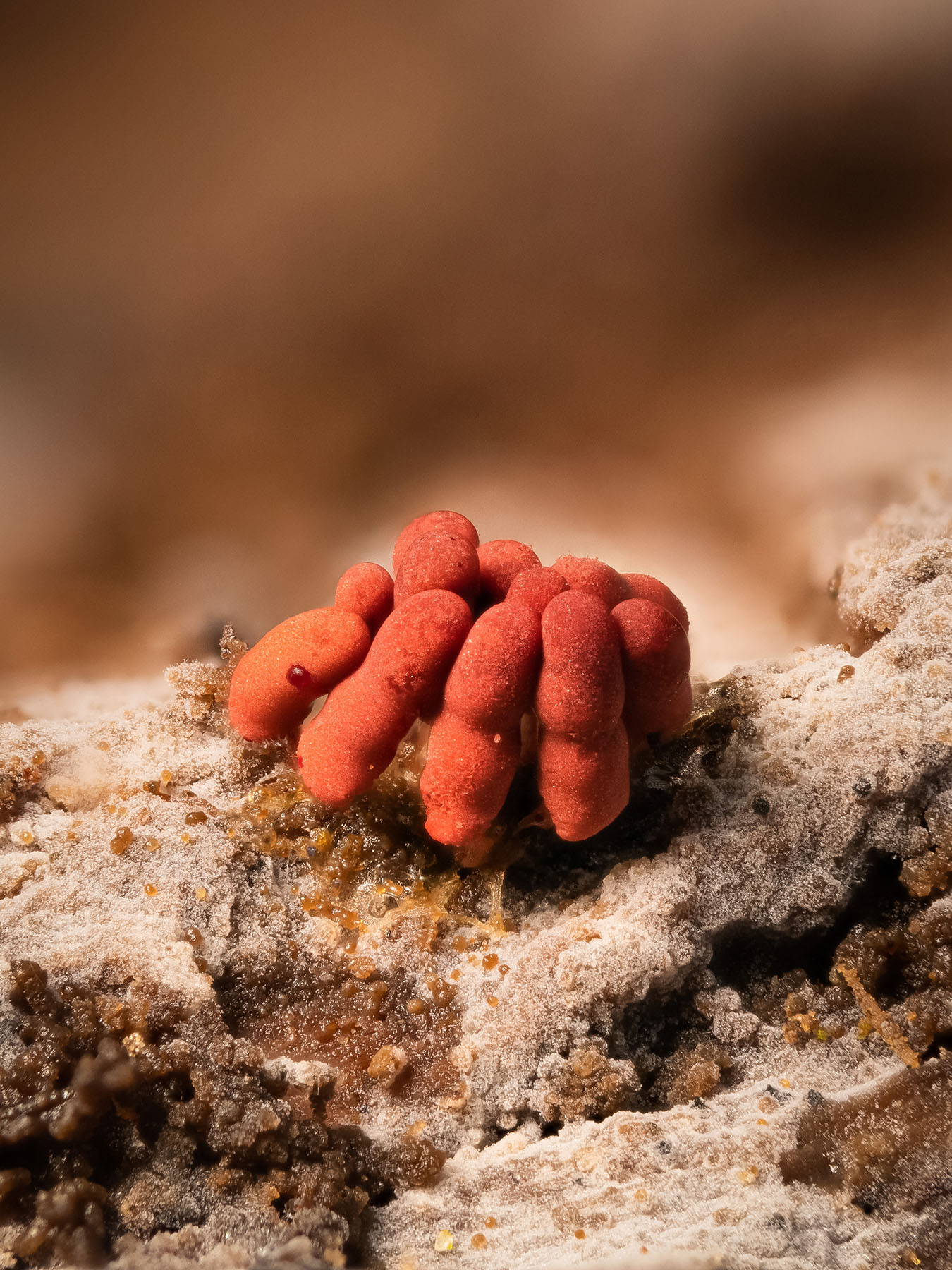
Arcyria incarnata sporangia: they remind me of a group of friends gossiping.

These are among the first ones I have photographed. As you know, I am more of a landscape/wildlife photographer but… Hey, one must adapt to pandemic life! I was lucky to spot them growing on some rotting wood logs on the back of my garden.

Arcyria incarnata sporangia. Photo by Eduardo Libby
Arcyria incarnata sporangia or spore-bearing structures after opening.

My friend Federico Valverde was nice enough to identify them for me. He is a retired biologist that has found new fire for his scientific brain finding Slime Molds and photographing them. These beautiful Slime Mold species are named Arcyria incarnata.

Very fitting.

I will try to remember it.

Nice beach, Nice sunset, Nice Black and White

One of the prettiest beaches on Costa Rica’s west coast is on the inside of a circular bay that gives protection to the swimmers from the open ocean waves and is named Carrillo Beach.

Continue reading Nice beach, Nice sunset, Nice Black and White

Birds in flight: Olympus, Nikon and the swallows

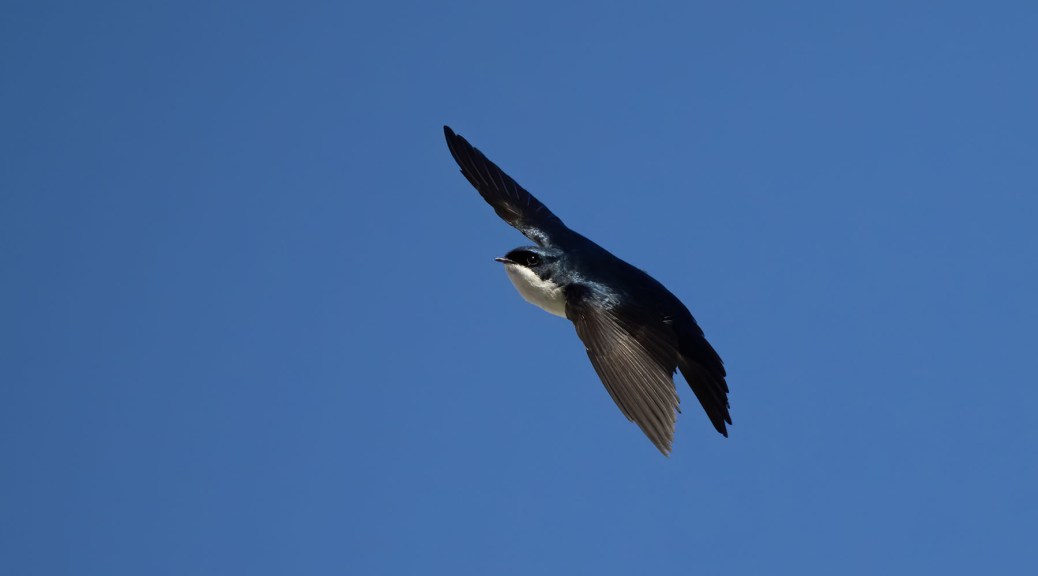
As you frame the flying bird, put a focusing sensor on its eye, initiate tracking and compose your photo so there is space on the front… ‘Yeah right…. I shoot Swallows around here!’

Continue reading Birds in flight: Olympus, Nikon and the swallows

How good is in-camera focus stacking?

Even though not all digital cameras offer automated focus-stacking of focus-bracketed exposures, the Panasonic and Olympus micro four thirds cameras have been doing it for several years so far. I wanted to compare it with computer focus stacking and, with my garden orchids blooming, I finally did the test.

Continue reading How good is in-camera focus stacking?